


The beech and horsehair dish brush – how to make it last
Time: about 2 min
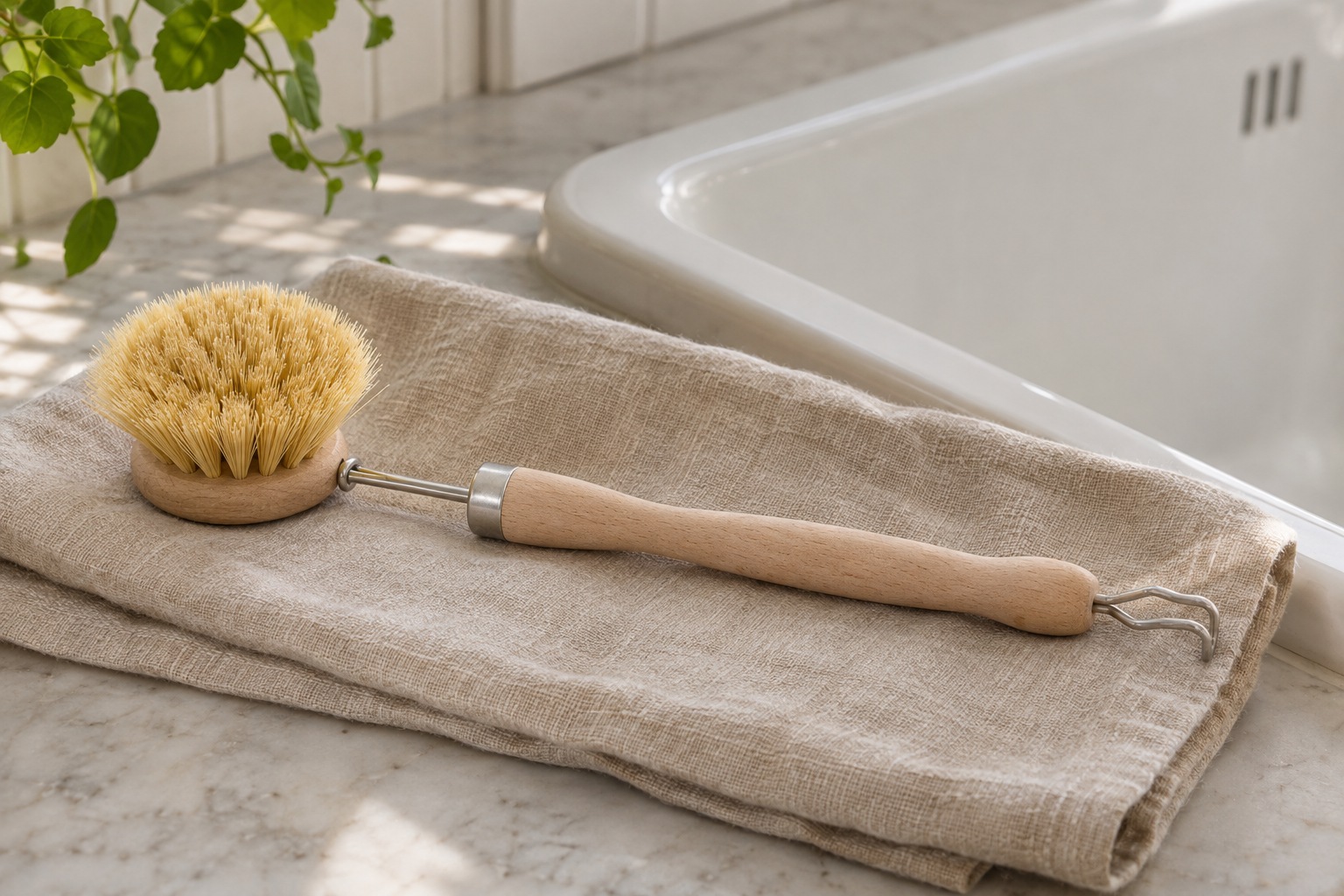
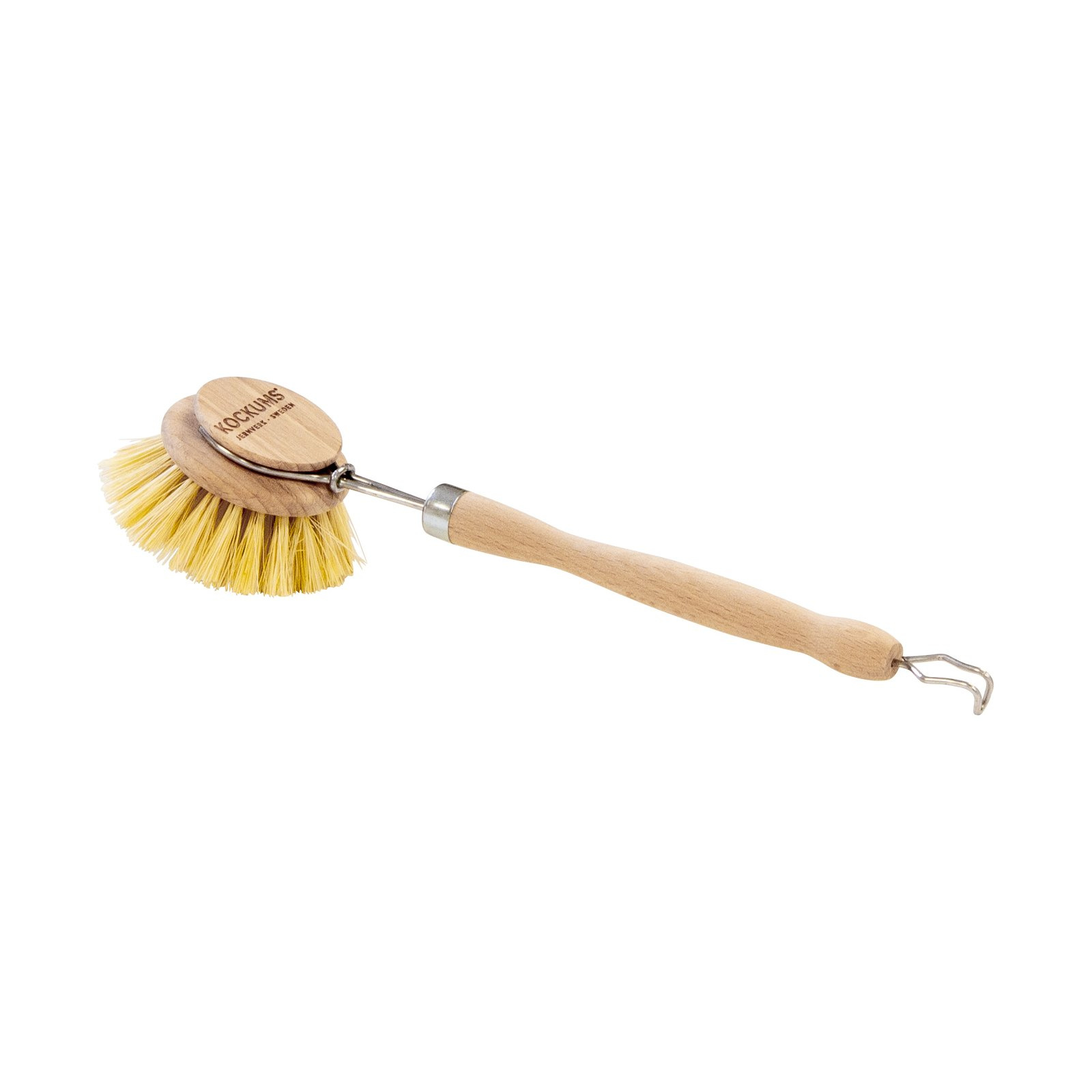
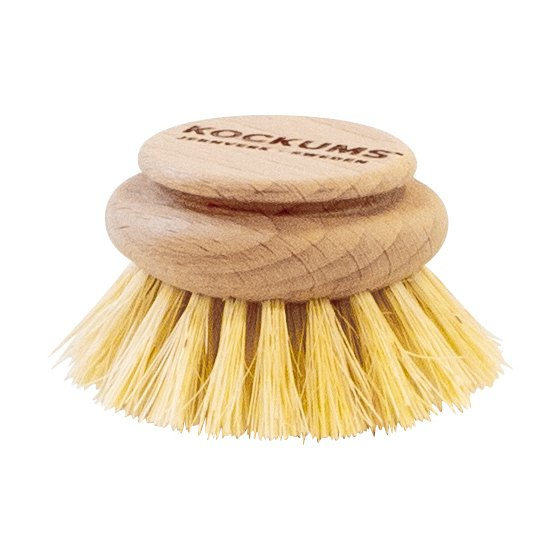
A dish brush in beech and horsehair is gentle on pots and pans and looks good by the sink. With a little care the handle lasts for years – and when the bristles wear out, you simply change the head.
Short answer
Rinse the dish brush in clean, warm water after washing up, shake off the water and hang it on its hook so it can dry freely. Never leave it to soak and don't put it in the dishwasher, as the handle is wood. Oil the handle now and then, and fit a new brush head once the horsehair is worn and splayed.
What you need
- Beech and horsehair dish brush
- Replacement brush head
- Warm water
- Paraffin oil (mineral oil)
- Soft cloth
How to do it
- Let the pan cool firstLet pots and pans cool for a while before you brush them. Kockums' advice for both carbon steel and enamel is exactly that: let the cookware cool before cleaning.
- Use the right cleanerHorsehair cleans gently without scratching. For carbon steel, griddles and pizza steels, hot water without washing-up liquid is enough; for enamel, china and glass, ordinary washing-up liquid is fine.
- Rinse the brushWhen the washing-up is done, rinse the brush in clean, warm water until all food and washing-up liquid has gone. Shake off most of the water.
- Hang it up to dryHang the brush by the hook on its handle, ideally where air can circulate, so the bristles and wood dry completely between uses. Don't put it in a closed drawer or leave it in a puddle on the draining board.
- Never leave it to soakDon't leave the brush in the washing-up water or standing in a glass of water. Kockums' advice for wooden utensils is to avoid soaking, and that goes for the brush handle too.
- Oil the handle now and thenWhen the wood looks dry and pale, rub a little paraffin oil into the handle and wipe off the excess. Kockums specifies cooking oil for beech utensils, so that works too.
- Change the head in good timeWhen the horsehair is worn, short or splayed, fit a new brush head. You can keep using the handle.
Common mistakes
- Leaving the brush lying in the washing-up water or the sink.
- Putting the dish brush in the dishwasher – wood should always be washed by hand.
- Putting the brush away wet in a drawer instead of hanging it up.
- Throwing away the whole brush when a new head would do.
Why beech and horsehair last
Beech is a dense, hard wood, and horsehair is a natural fibre soft enough not to scratch yet springy enough to loosen food. Both cope with water during washing-up but do best when they can dry fully in between. With a replaceable head, only the part that wears out needs replacing.
FAQ
Can the dish brush go in the dishwasher?
No. The handle is beech, and wood should be washed by hand. Rinse the brush in warm water and hang it up to dry.
Will the dish brush scratch enamel or carbon steel?
The horsehair brush cleans softly and gently without scratching. It suits both enamel pots and carbon steel pans; on carbon steel, use only hot water without washing-up liquid.
How do I know when to replace the brush head?
When the horsehair has become short, worn or splays in every direction, the brush no longer cleans as well. Fit a new head and keep the handle.
What is horsehair?
Horsehair comes from a horse's mane and tail and is a natural material long used in brushes. It is soft but springy.

Comments