


Enamel saucepans and casseroles – everyday care
Time: about 10 min
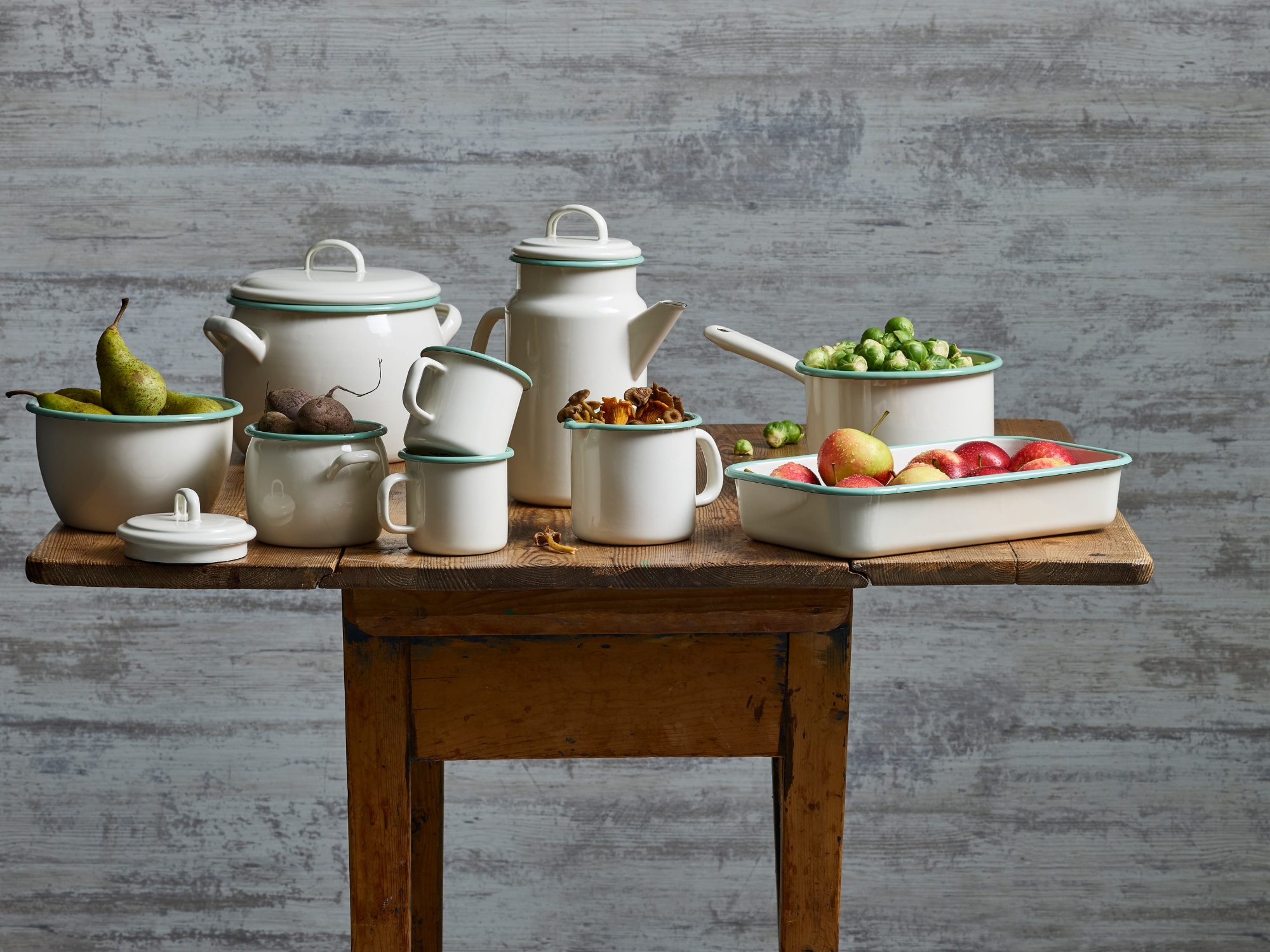
Enamelled steel is hard-wearing, odourless and easy to keep clean. A few simple habits keep your saucepan and casserole looking bright for many years.
Short answer
Wash new enamel pans in warm water with a mild washing-up liquid. Never heat an empty pan – start on a low heat with liquid or fat in it and increase gradually. Fill no more than two thirds, use utensils made of wood, silicone or heat-resistant plastic, and let the pan cool before washing. The dishwasher is fine, but hand washing keeps the colour glossy for longer.
What you need
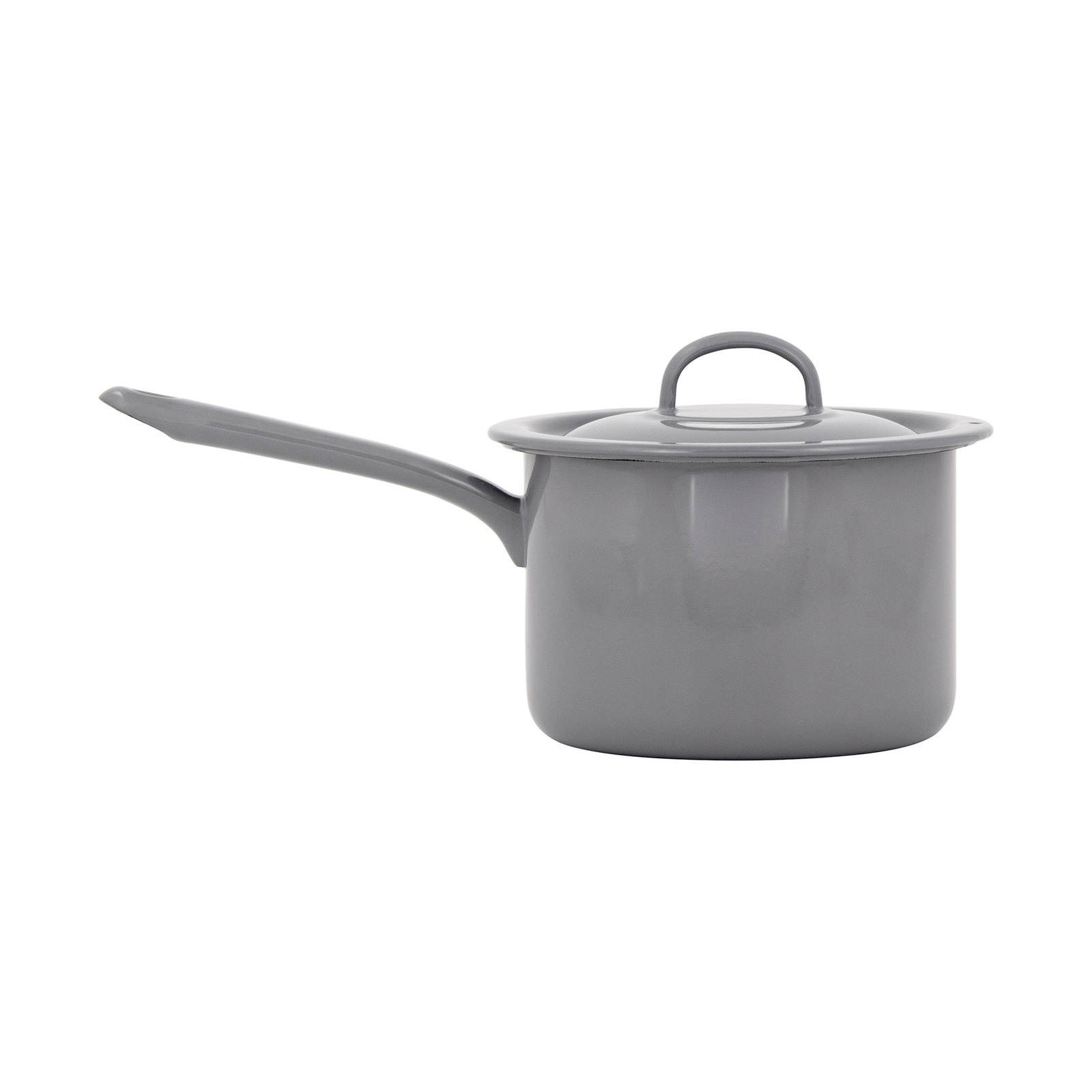
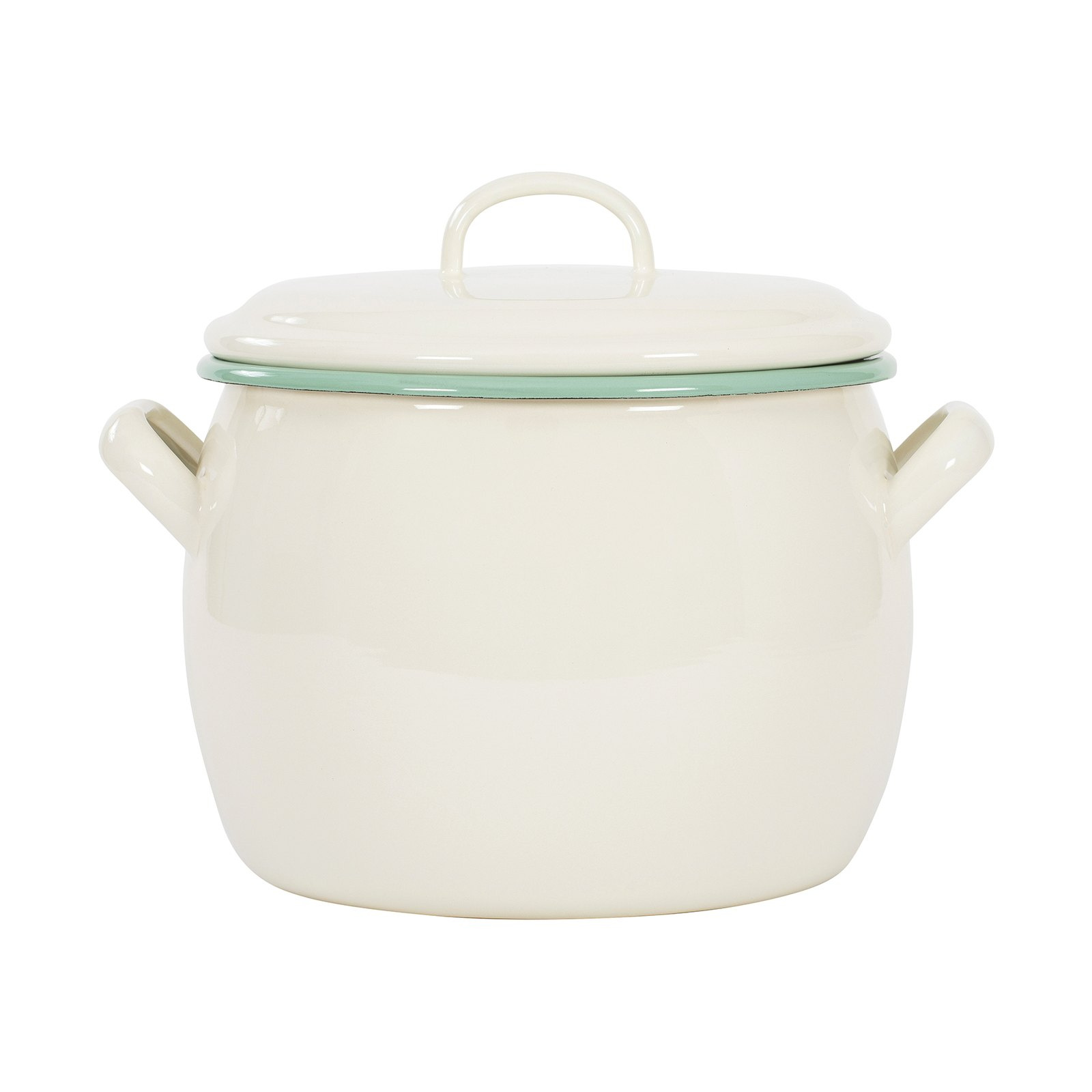
- Enamelled steel saucepan or casserole
- Mild washing-up liquid
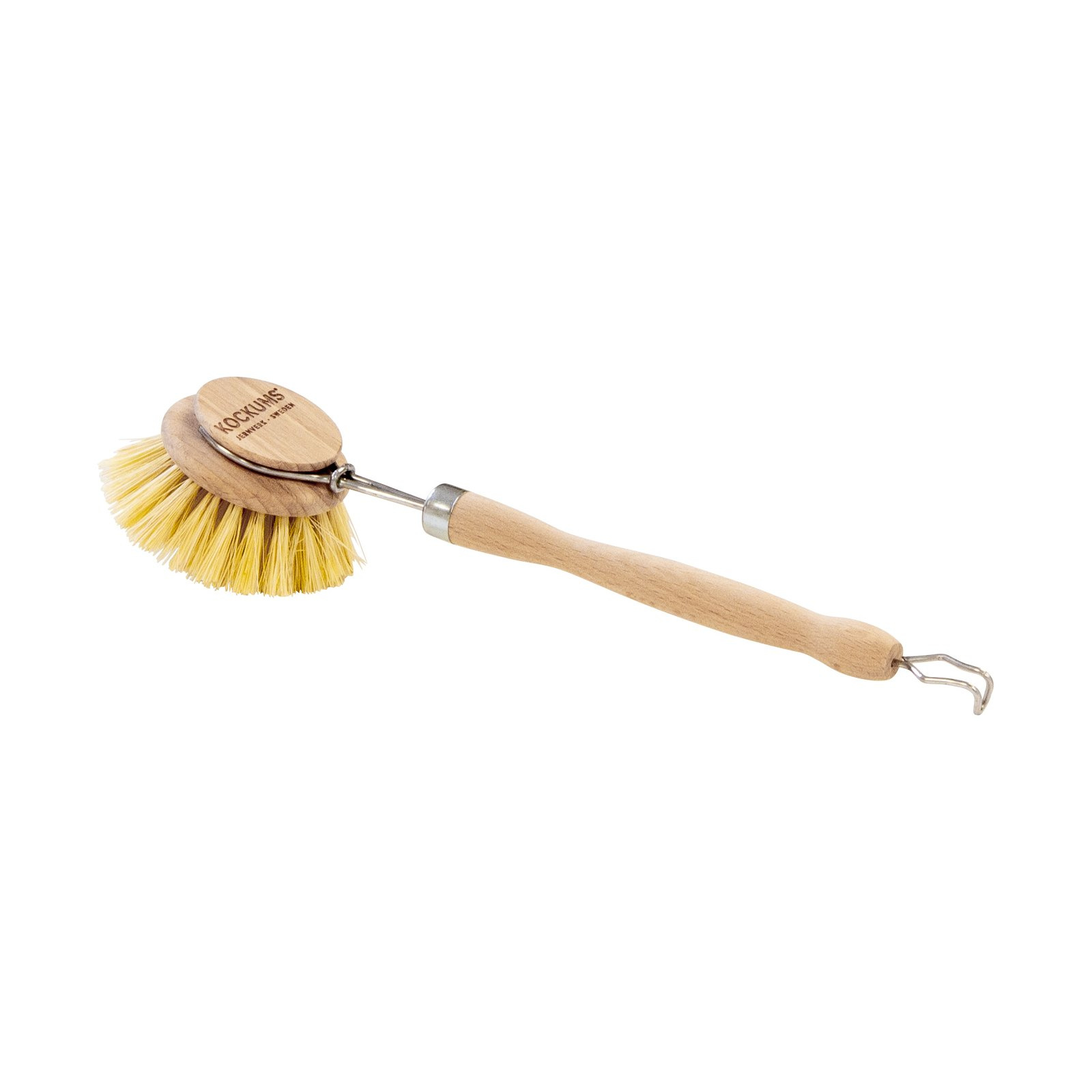
- Soft nylon sponge or dish brush
- Wooden or silicone utensils
- Oven gloves
- Tea towel
How to do it
- Wash before first useWash the pan in warm water with a mild washing-up liquid, rinse with clean water and dry thoroughly.
- Heat gently – never emptyAlways have liquid, butter or oil in the pan when you turn on the heat. Start on a lower setting and increase gradually; once the pan is hot you can turn it down again.
- Match the hob to the baseUse a ring or cooking zone that matches the base of the pan, and keep gas flames under the base. On induction, lift the pan rather than sliding it.
- Fill no more than two thirdsA pan filled to no more than 2/3 is easier to handle and stir. That goes for the saucepan and the large casserole alike.
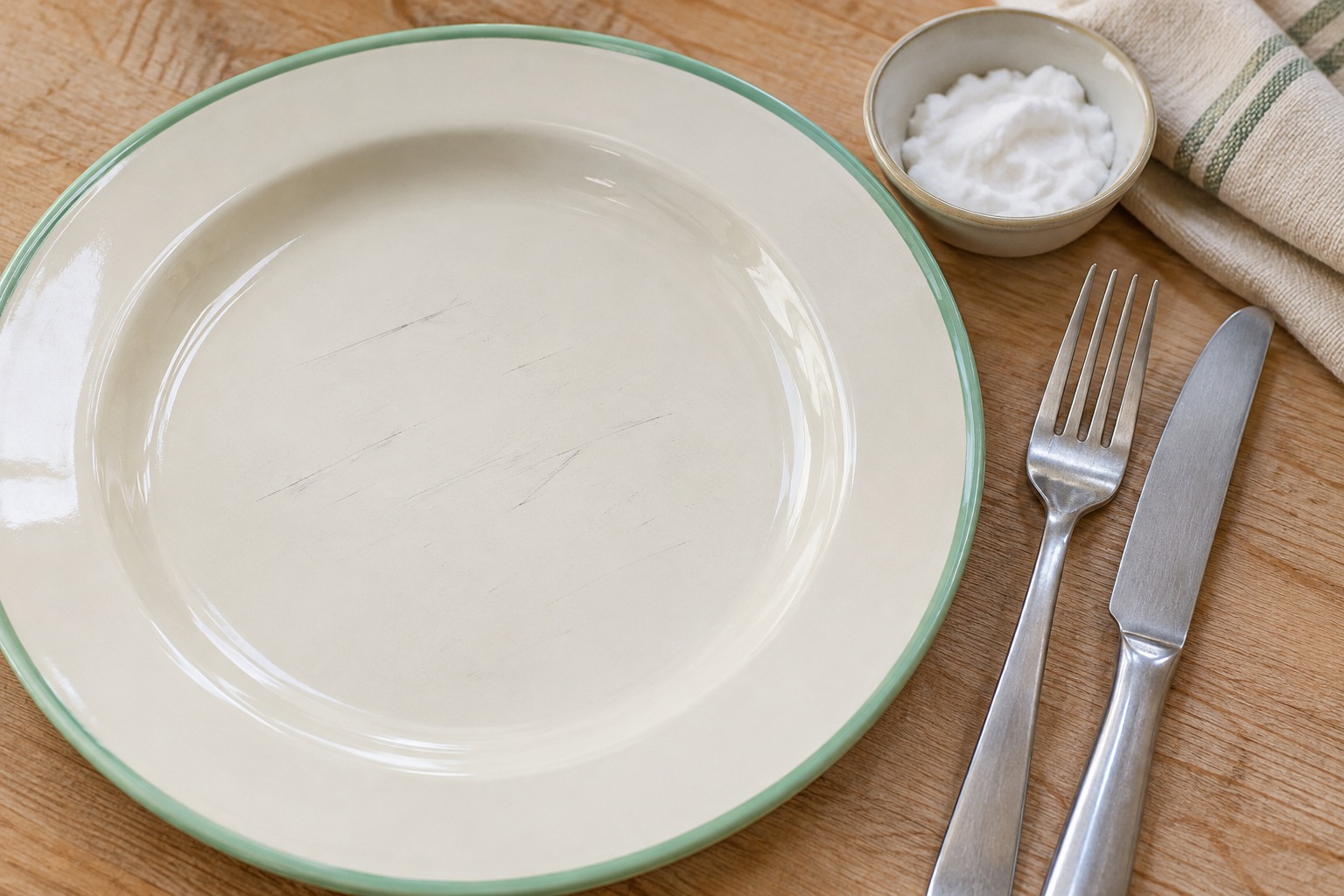
- Use gentle utensilsStir with wood, silicone or heat-resistant plastic, as knives and other metal utensils can scratch the enamel. Always use oven gloves for hot handles and lids.
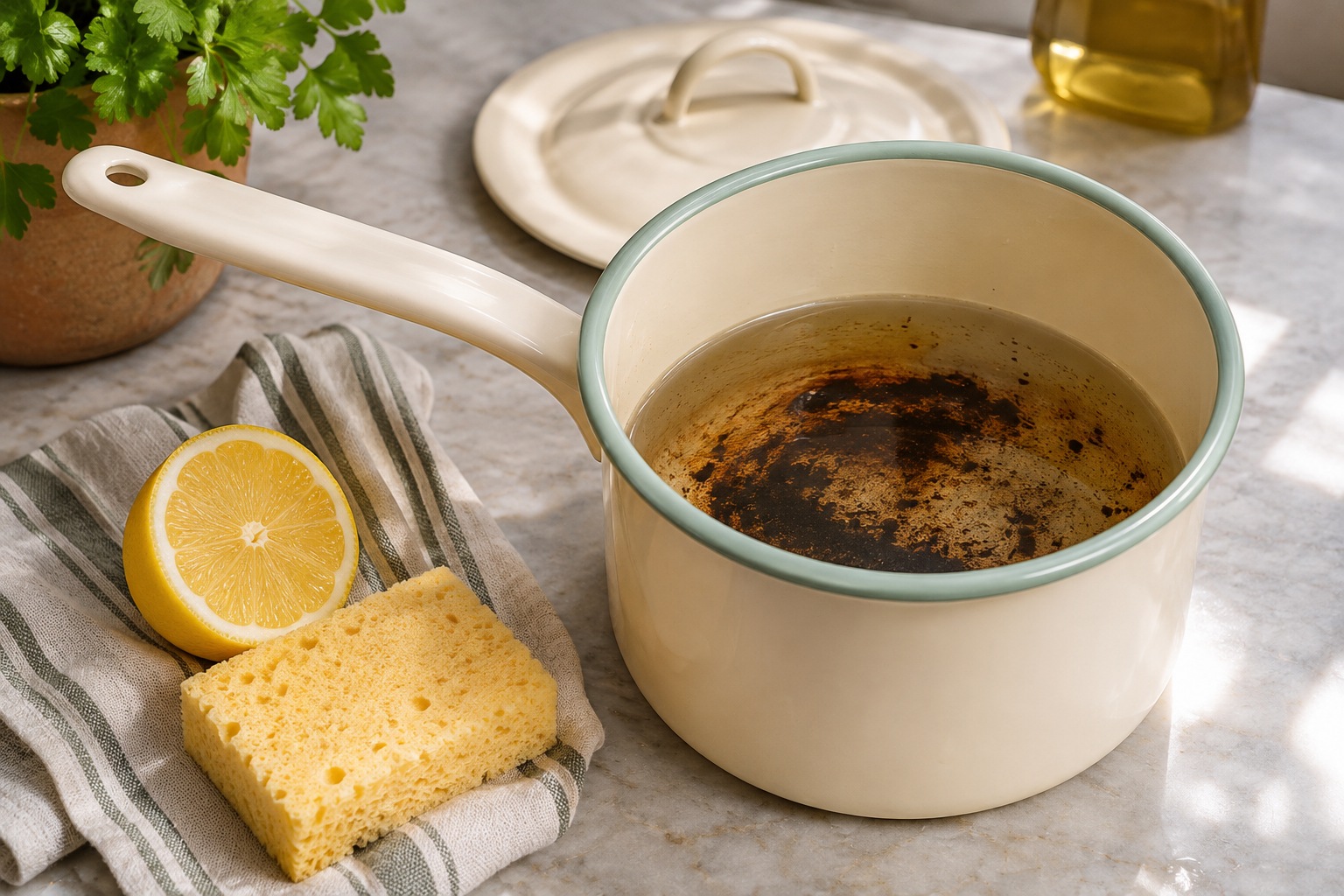
- Let it cool before washingLet the pan and lid cool down on their own before you rinse them. Cold water in a hot pan causes thermal shock, which can damage the enamel.
- Wash gently and dryWash with warm water, a mild washing-up liquid and a soft nylon sponge or dish brush. Rinse with clean water and dry thoroughly before putting the pan away.
Common mistakes
- Heating an empty pan on the hob.
- Rinsing a hot pan or lid under cold water.
- Stirring or scraping with a knife, whisk or other metal utensil.
- Using scouring pads or harsh cleaning products that can damage the surface.
Why enamel likes gentle heat
Enamel is a glass-like layer fused onto the steel. It is odourless, does not pass on taste or colour and resists dirt and stains, but it dislikes sudden temperature changes and sharp metal edges. The base and sides of the pan hold heat well, so you can often cook at a lower heat than you might think.
FAQ
Can enamel saucepans go in the dishwasher?
Yes, enamelled steel is dishwasher-safe. To keep the colour bright and glossy, Kockums still recommends washing by hand.
Can I use enamel pans in the oven or microwave?
Kockums enamelled pans can go in the oven, but none of them can be used in a microwave.
Can I still use the pan if the enamel is chipped?
Yes – according to Kockums, the enamel and steel in today's products contain no harmful substances, though this cannot be guaranteed for damaged pans from the old Kockums Jernverk. Kockums cannot repair enamel damage.
Can I store leftovers in the pan in the fridge?
Yes. Enamel is odourless and does not pass on taste or colour, so food keeps its clean flavour when stored in the pan as well.
Comments