


How to brush potatoes, root vegetables and mushrooms clean
Time: about 10 min
A good brush lifts the soil off gently and often saves you the peeling. Here is how to scrub root vegetables under the tap, clean mushrooms completely dry and make the brushes last.
Short answer
Scrub root vegetables under running water with a vegetable brush: the firmer bristles deal with muddy patches and the softer ones suit thin skins. Brush mushrooms dry with a soft brush and trim off anything that will not come away – that way they keep the most flavour. Rinse the brushes afterwards, dry the handles and let them air-dry, never soaking and never in the dishwasher.
What you need
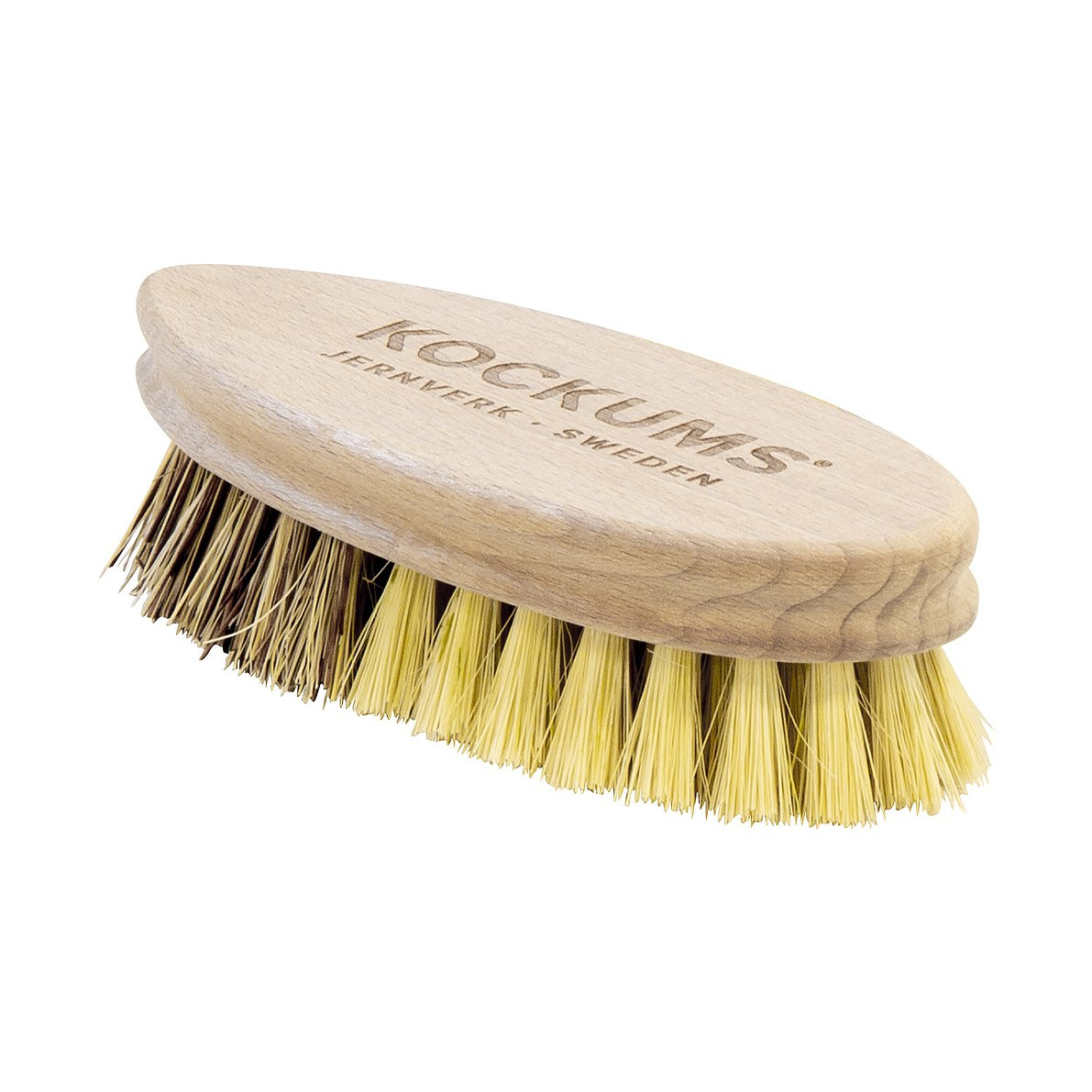
- Vegetable brush (TGBO-090)
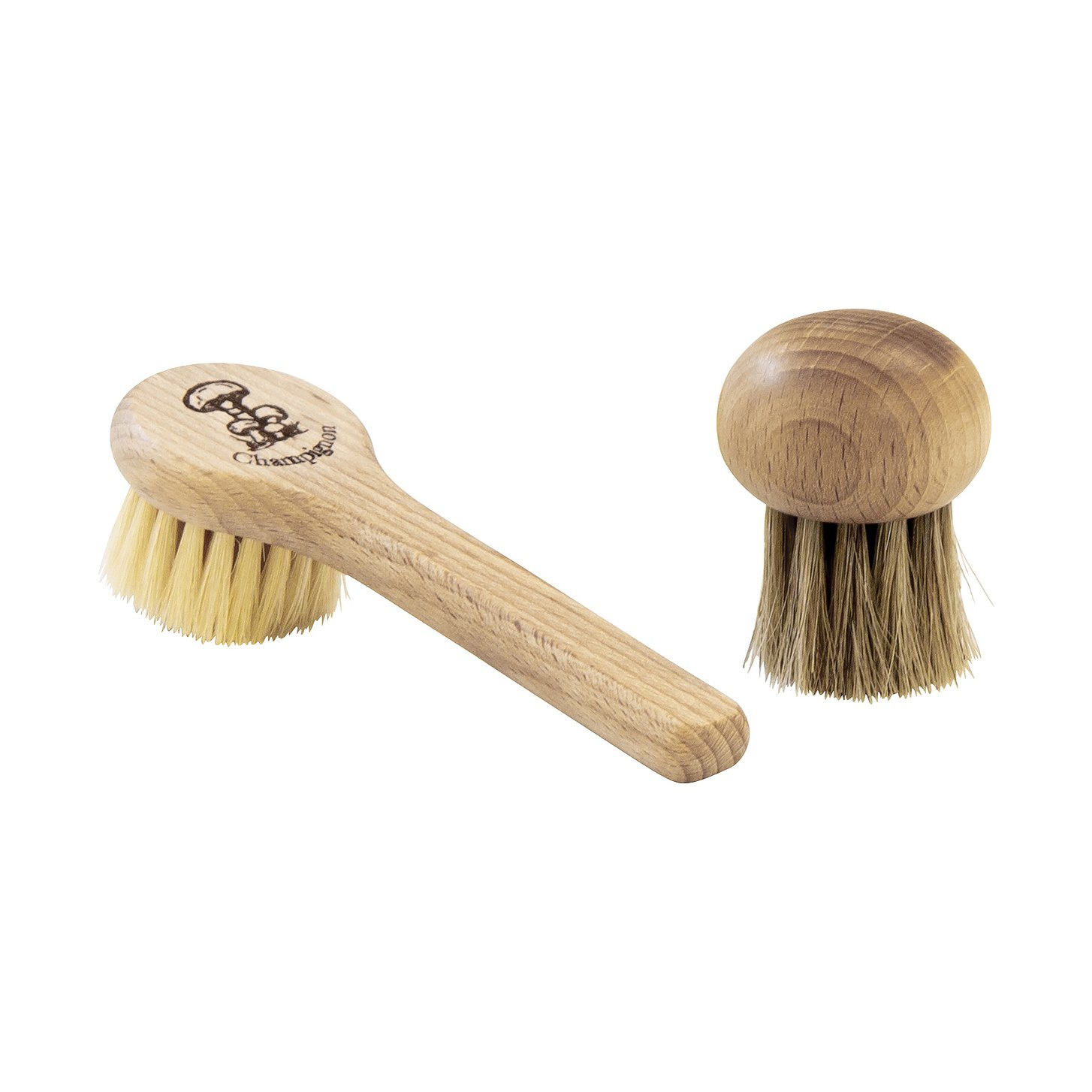
- Mushroom brushes (TSBO-090)
- Small paring knife
- Colander
- Tea towel
How to do it
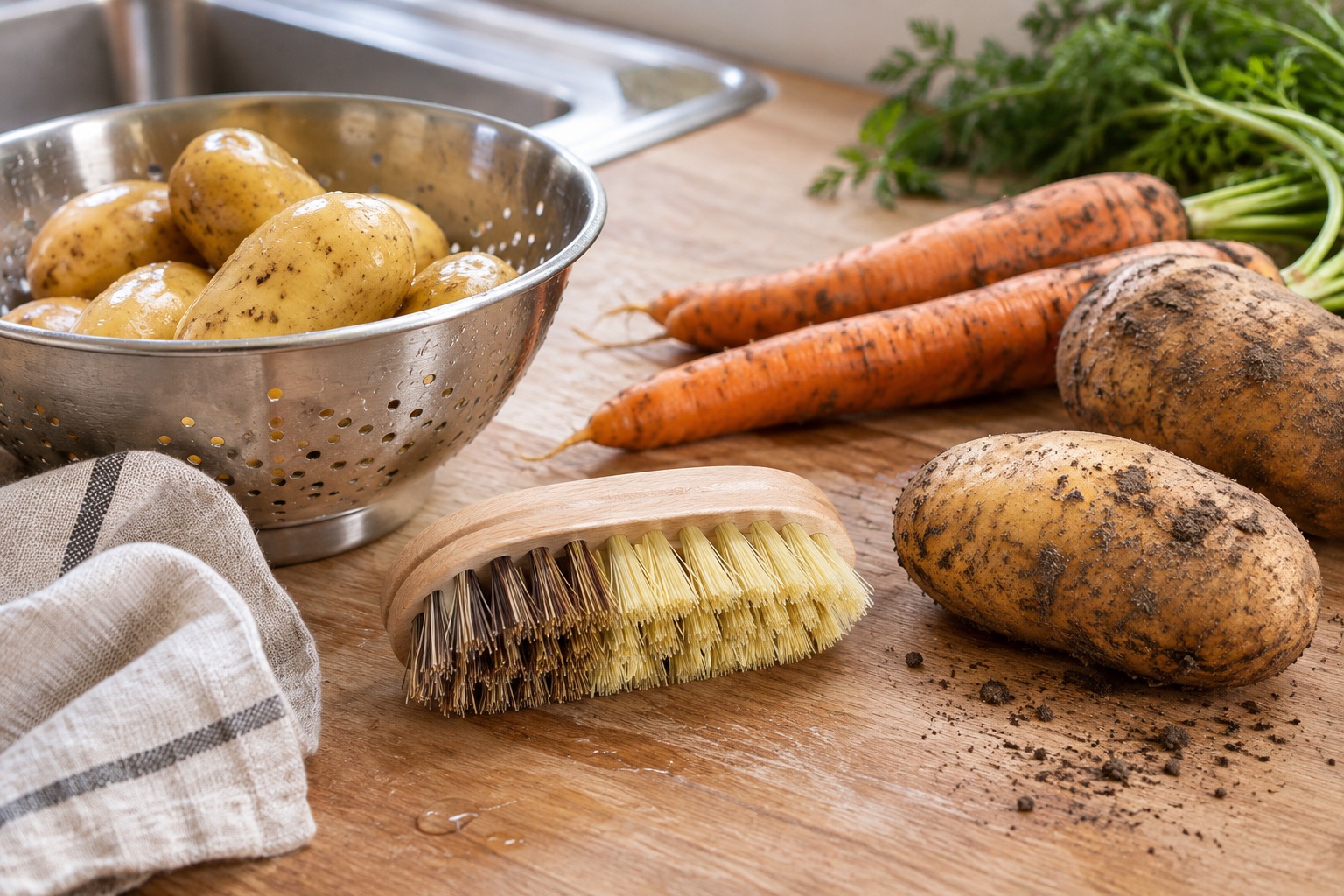
- Scrub roots under running waterHold the potato or carrot under cold running water and brush with firm strokes. The shape of the vegetable brush gives a good grip.
- Choose the right bristlesThe vegetable brush has natural bristles in two different stiffnesses. Use the firmer ones on muddy patches and the softer ones on new potatoes and thin skins.
- Brush instead of peelingMany root vegetables do not need peeling – a thorough scrub is enough. Cut away any damaged spots with a knife and leave the vegetables to drain in a colander.
- Brush mushrooms dryMushrooms are best not rinsed. Brush off soil and pine needles with the soft horsehair brushes, cap first, then stem.
- Trim off whatever is leftAnything that will not brush away, cut off with the knife, along with the earthy end of the stem. That way the mushroom keeps the most flavour.
- Pick the brush to suit the mushroomThe set has one brush with a rounded grip and one with a longer handle. Use whichever sits best in your hand for the size of mushroom.
- Look after the brushesRinse the brushes, shake out the water and dry the handles with a towel. Let them air-dry; never leave them to soak and do not put them in the dishwasher.
Common mistakes
- Soaking mushrooms in water to get the soil off, so they take on water and lose flavour.
- Scrubbing new potatoes with thin skins hard using the stiffest bristles.
- Leaving the brush lying wet in the sink.
Why a brush works
Natural bristles follow the shape of the vegetable and lift away the soil without you having to peel. The horsehair in the mushroom brushes is soft and cleans effectively without damaging the mushroom. The vegetable brush is made of beech, and wood lasts a long time when it is washed by hand and allowed to dry between uses.
FAQ
Should you wash mushrooms?
Preferably not. Brush and trim off soil and dirt to keep the most flavour. If they are very muddy, give them a quick rinse just before cooking and dry them at once.
Can I use the vegetable brush on mushrooms?
The mushroom brushes are made for the job, with soft horsehair that does not damage them. The vegetable brush is meant for potatoes, carrots and other root vegetables.
How do I care for the wooden handles?
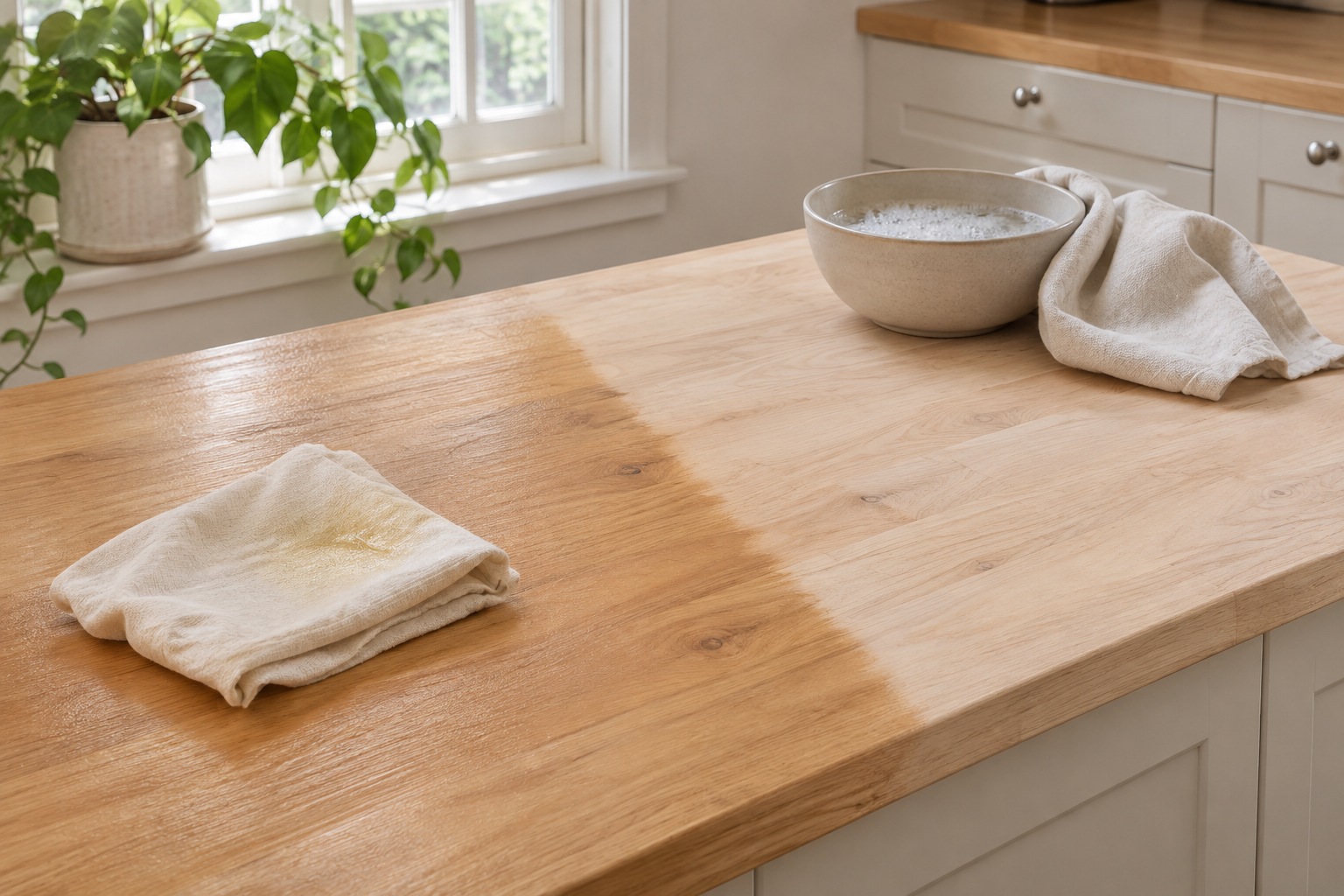
Wash by hand and dry with a towel. To feed the wood, wipe on a little paraffin oil – for the beech vegetable brush, Kockums specifies cooking oil, so that works too.
Do new potatoes need peeling?
No, their thin skins just need a light scrub with the softer bristles.
Comments