


The pancake pan – even pancakes and plättar from the first batter
Time: about 40 min
The first pancake is rarely the best – but the second one can be. With the right heat and a little butter, pancakes and small Swedish plättar turn out even in carbon steel pans.
Short answer
Let the batter rest for a while and heat the carbon steel pancake pan gently to medium. Brush it with a little butter, pour in a thin splash of batter and tilt the pan so it covers the base. Turn when the edge releases and the underside has colour. In the plett pan, fill every cup equally. Afterwards rinse with hot water, dry and oil lightly.

What you need
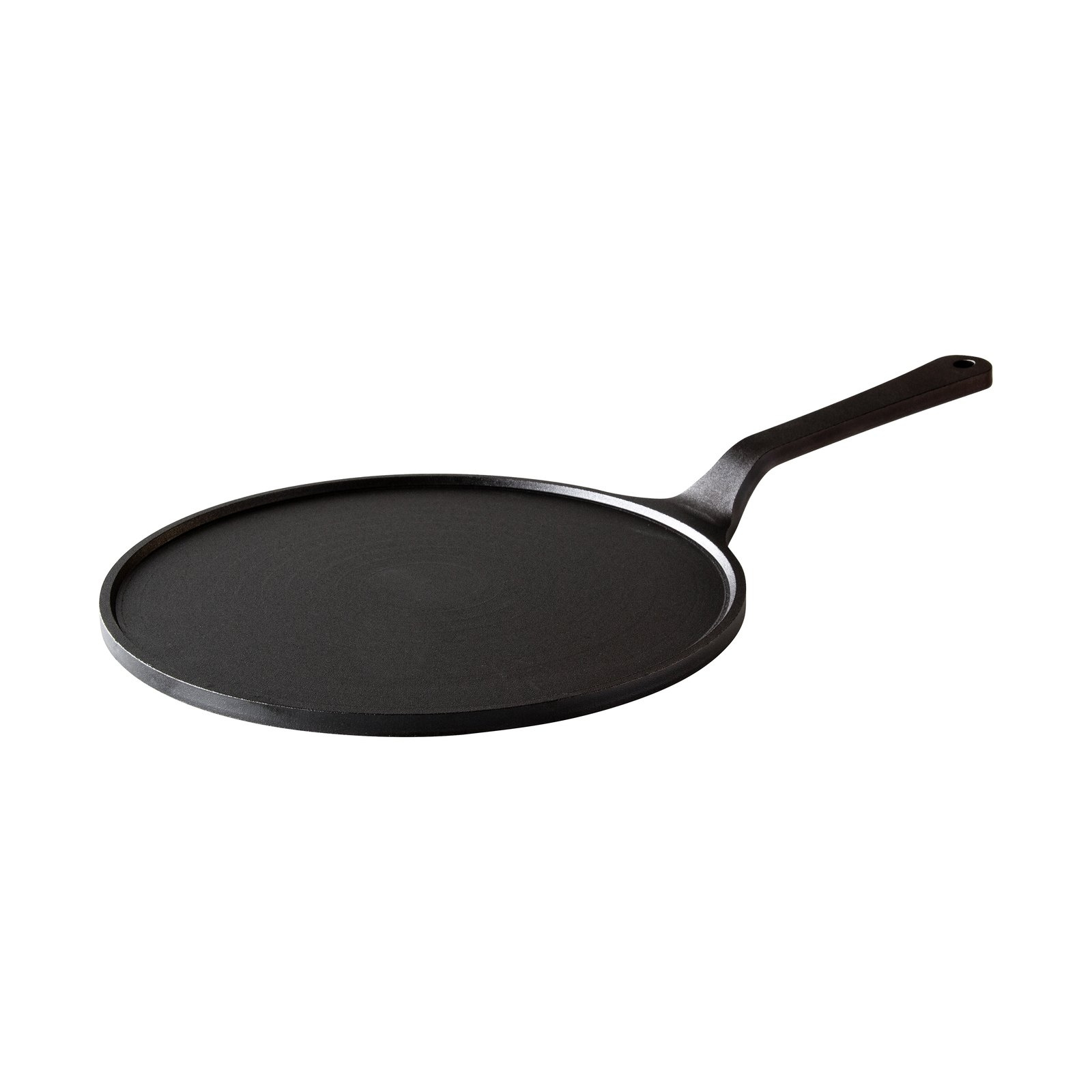
- Carbon steel pancake pan, 24 cm
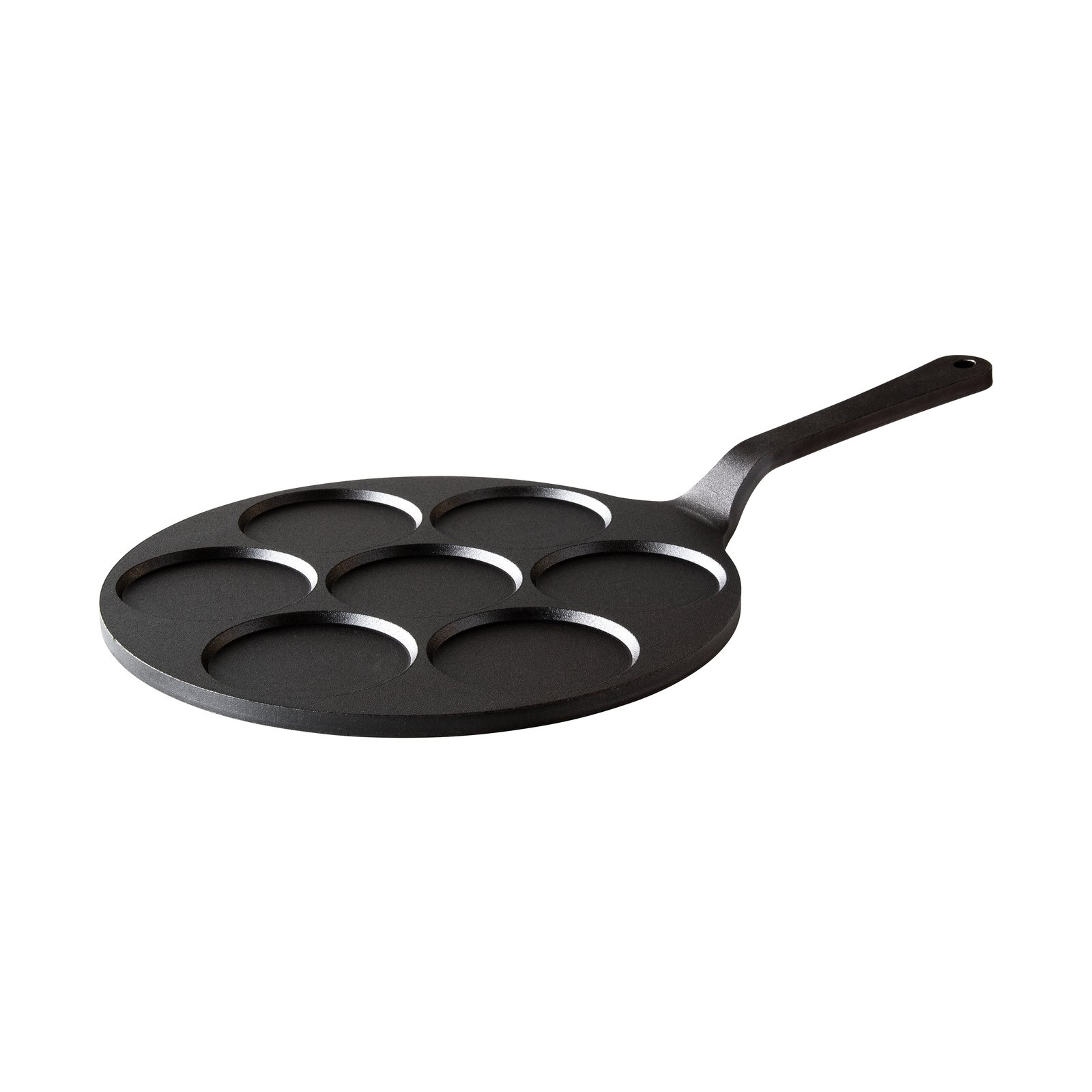
- Carbon steel plett pan, 24 cm
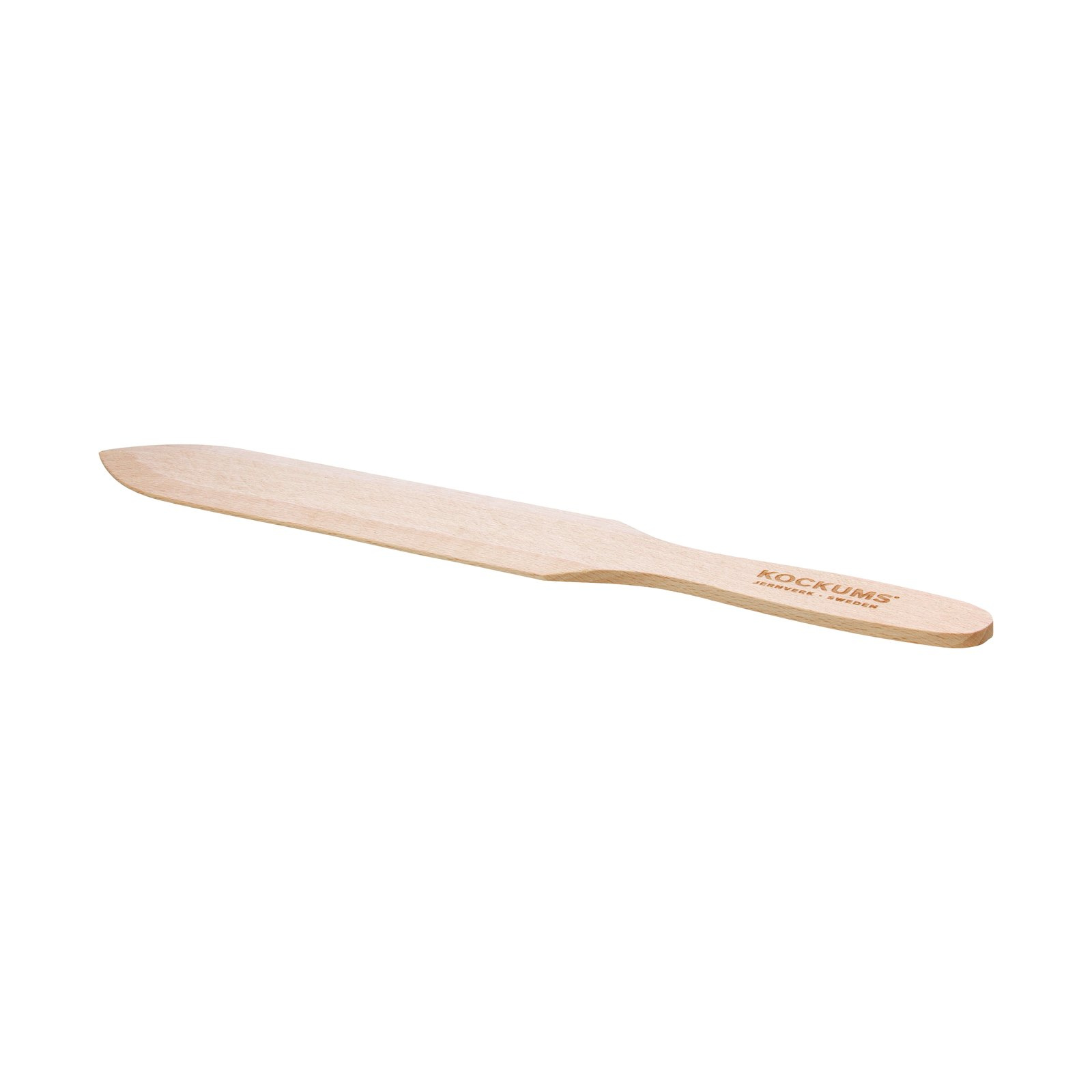
- Wooden crêpe turner
- Butter for frying
- Pancake batter
- Ladle or jug for the batter
How to do it
- Rest the batterWhisk the batter smooth and let it stand while the pan heats up. The flour has time to swell and the batter spreads more evenly in the pan.
- Heat the pan gentlyPlace the pan on a ring or zone that matches its base and bring it slowly to medium heat. Melt a small knob of butter and spread it thinly over the whole surface.
- Pour and tiltPour a thin splash of batter into the middle of the pan and tilt it straight away so the batter runs out to the edge. The less batter, the thinner the pancake.
- Fill the cups of the plett panBrush the cups of the plett pan with butter first so the plättar release more easily. Then use a small ladle or jug to pour batter into each cup, the same amount in all of them.
- Turn when the edge releasesWhen the surface looks dry and the edge lifts, slide the crêpe turner under the pancake and flip it. The second side only needs a moment.
- Adjust the heat after the first pancakeIf the pancake is pale and rubbery, the pan is too cool; if it darkens before it has set, it is too hot. Butter thinly between batches whenever the surface looks dry.
- Rinse, dry and oilLet the pans cool, rinse them with hot water and dry them completely. Wipe in a few drops of oil – washing-up liquid and the dishwasher have no place here.
Common mistakes
- Pouring in too much batter – the pancake turns thick and darkens before it is cooked through.
- Starting on too high a heat; carbon steel stores heat and gets hotter with every pancake.
- Filling the cups of the plett pan unevenly, so some plättar are done long before the others.
- Leaving the pancake pan to soak or putting it in the dishwasher after cooking.
Why carbon steel gives even results
Carbon steel spreads heat evenly across the base and holds it between batches, so every pancake gets the same conditions once the heat is set. The butter and the seasoned surface give a natural release that improves each time the pan is used.
FAQ
Why does the first pancake always fail?
The pan has not yet heated evenly and the fat has not spread over the whole surface. Treat it as a test pancake and adjust the heat accordingly.
How much butter do pancakes need in carbon steel?
Very little: a thin film spread with kitchen paper or a brush. Butter again when the surface looks dry, usually after a few pancakes.
What is the difference between a pancake pan and a plett pan?
The pancake pan has a flat base for thin pancakes and crêpes. The plett pan has shallow cups that make small, round plättar of the same size.
Can I wash the pancake pan with washing-up liquid?
No, it is carbon steel. Rinse with hot water, dry thoroughly and wipe in a little oil.

Comments