


The right board for the job – bread, meat, veg and serving
Time: about 10 min
Two or three boards in different sizes make kitchen work easier. The bread stays free of onion, the meat has room, and the cheese can go straight to the table.
Short answer
Keep at least two boards: a large chopping board for meat, fish and vegetables, and a separate bread board so the bread doesn't pick up the taste of onion and garlic. For serving, a long board with a handle or a salami board can go straight to the table. All wooden boards need the same care: wash by hand, dry at once and oil with paraffin oil.
What you need
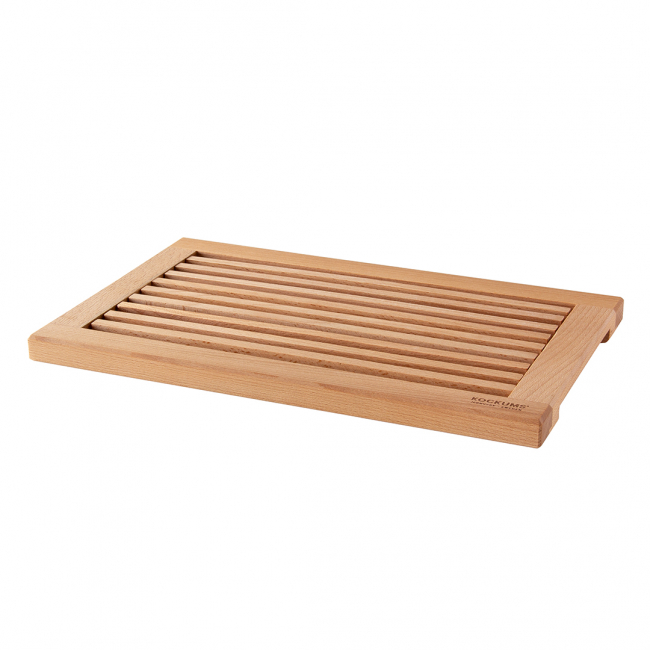
- Bread board 34x25 cm
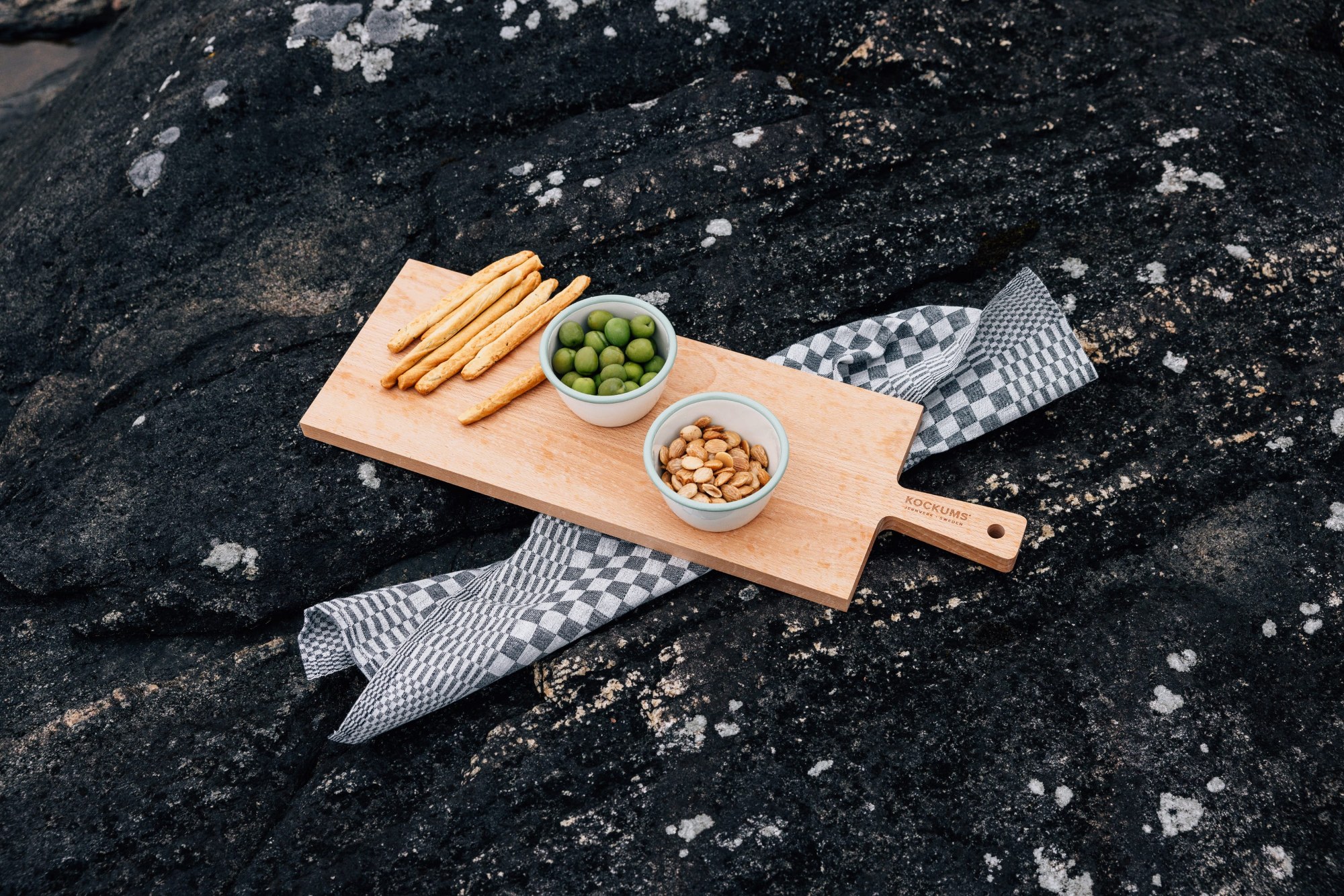
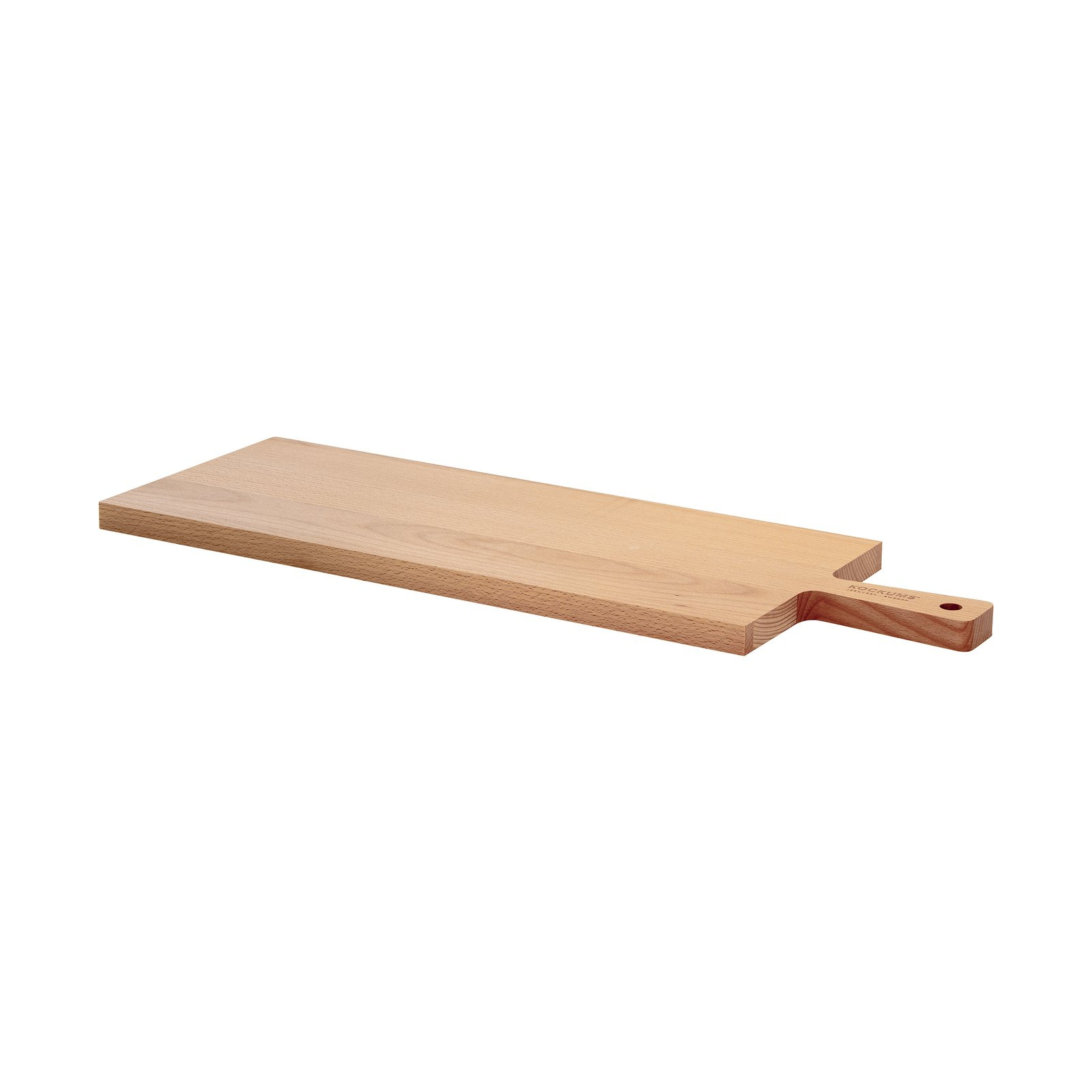
- Chopping board with handle 60x20x2 cm
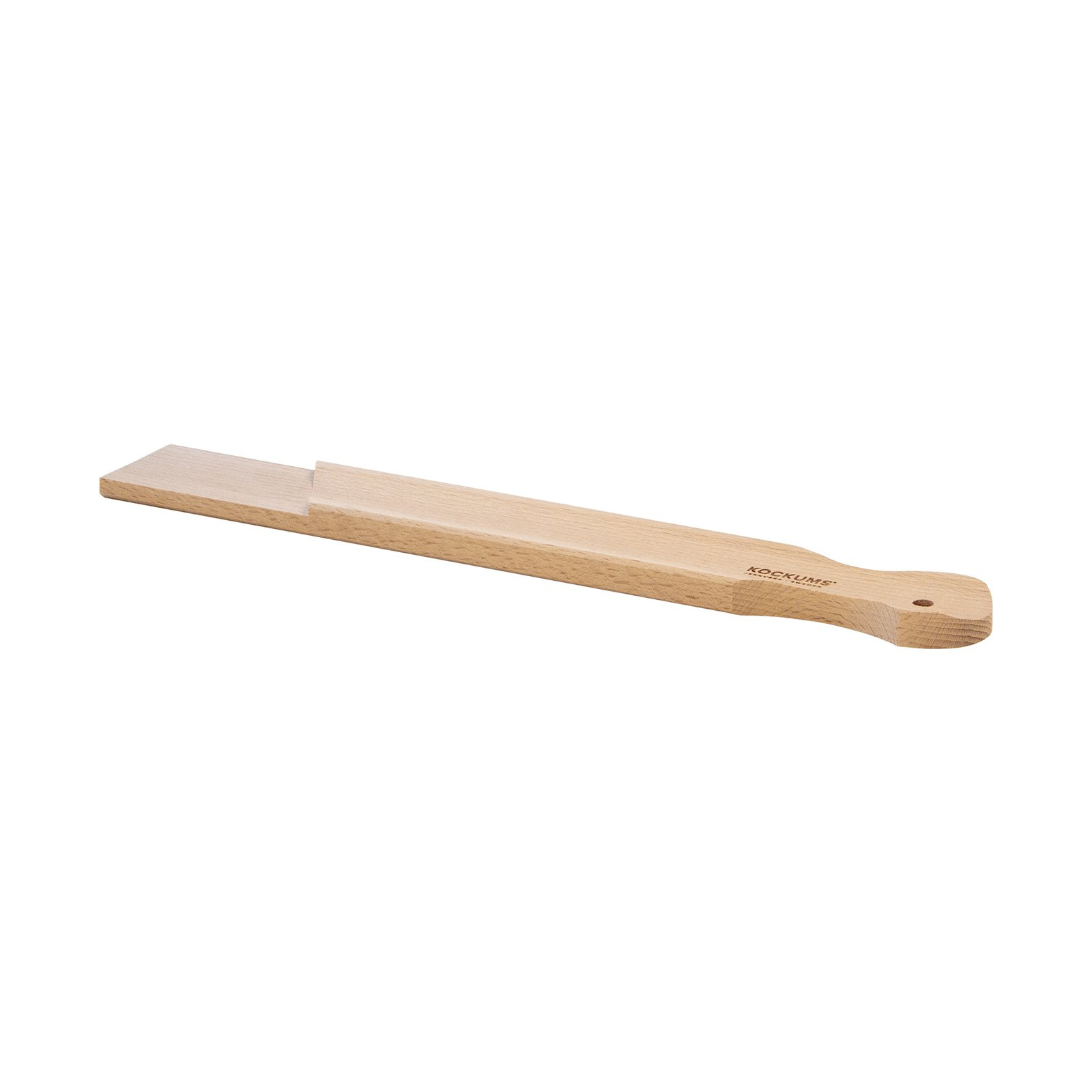
- Salami board
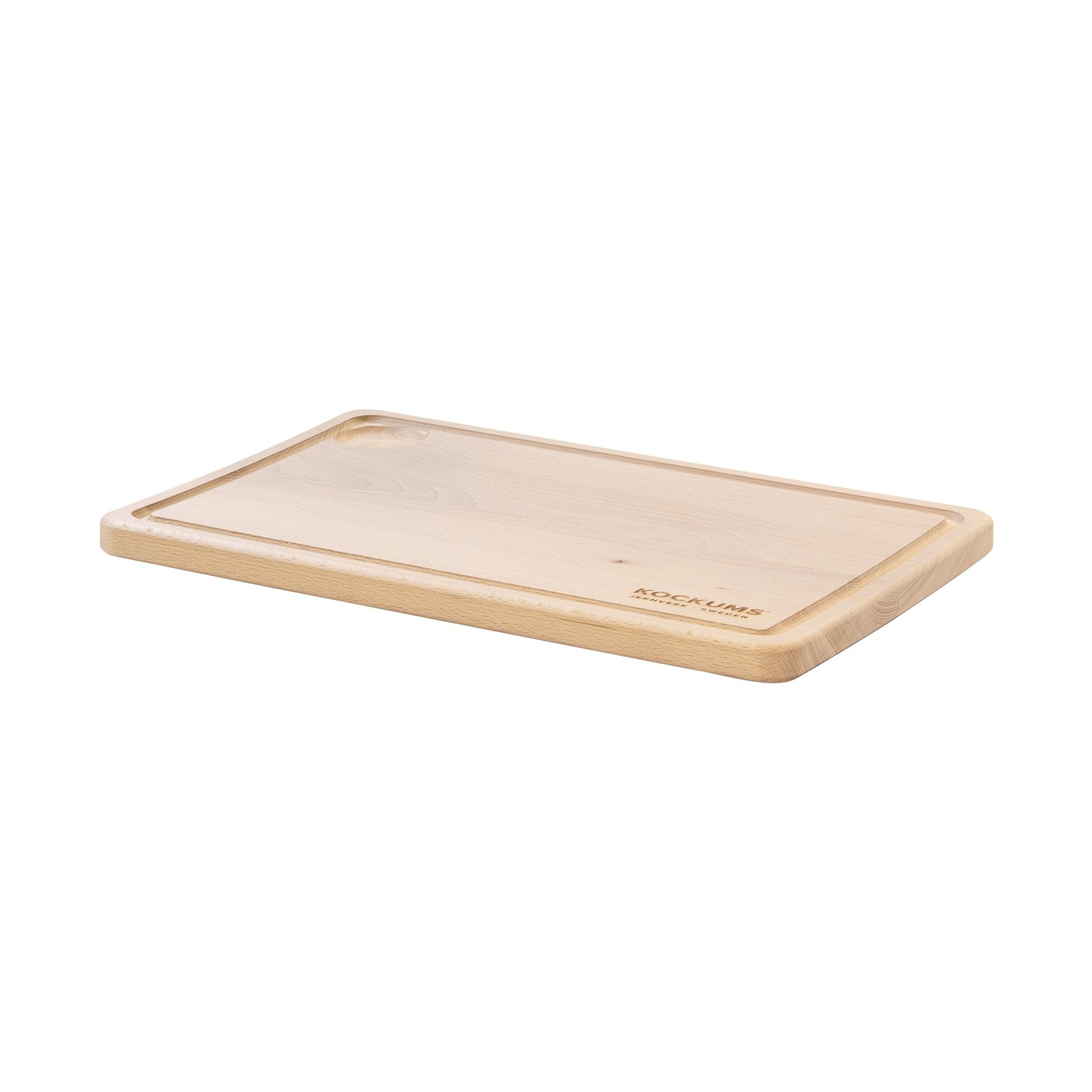
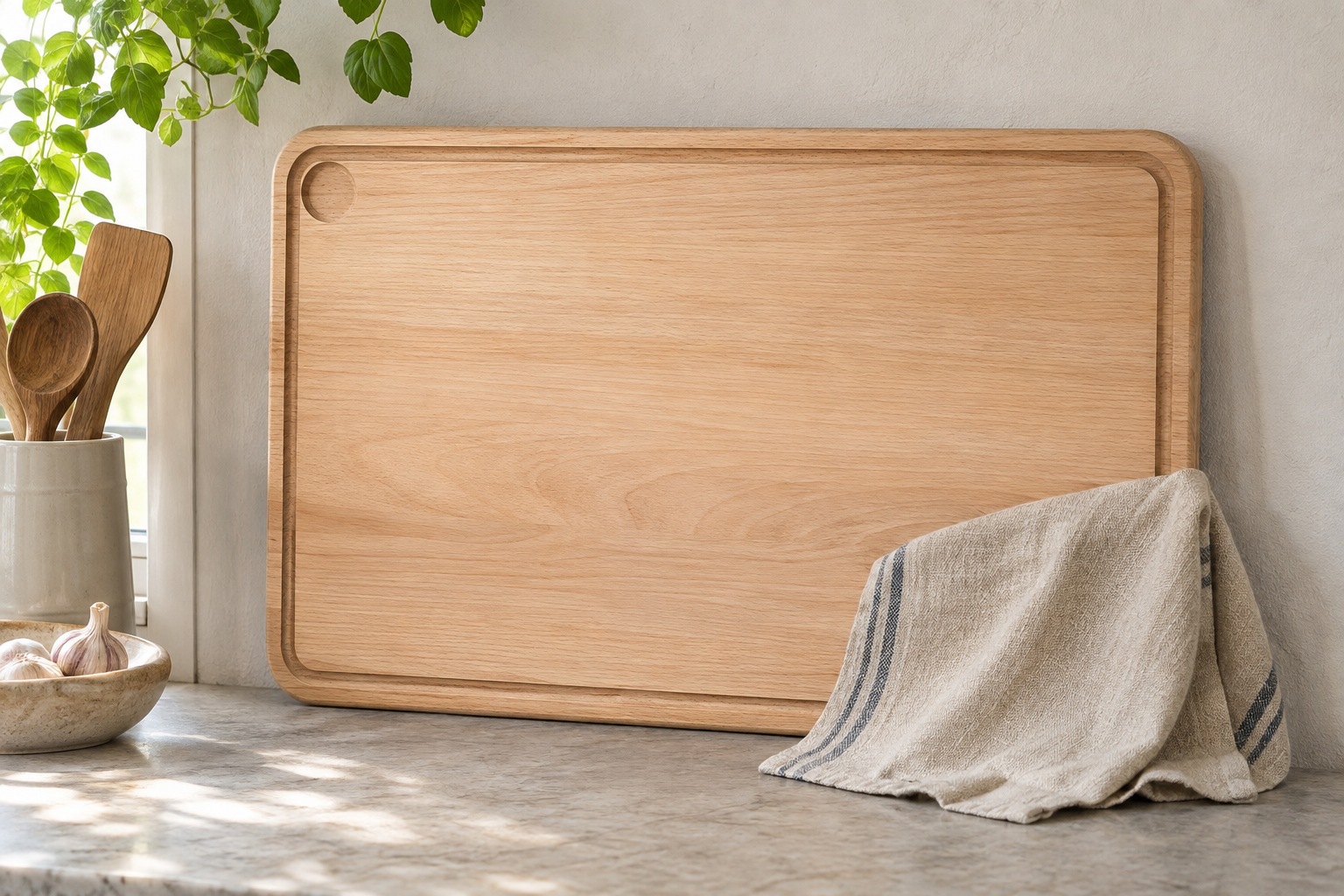
- A large chopping board, e.g. 40x26 cm
- Paraffin oil (mineral oil)
- Tea towel
How to do it
- Give bread its own boardSlice bread on a board used only for bread, such as the 34x25 cm bread board. The loaf won't taste of onion or garlic, and the crumbs stay in one place.
- Use a large board for meat and fishRaw meat and fish need space. A large chopping board lets you trim and slice without juices running over the edge. Wash it by hand with hot water and washing-up liquid as soon as you have finished.
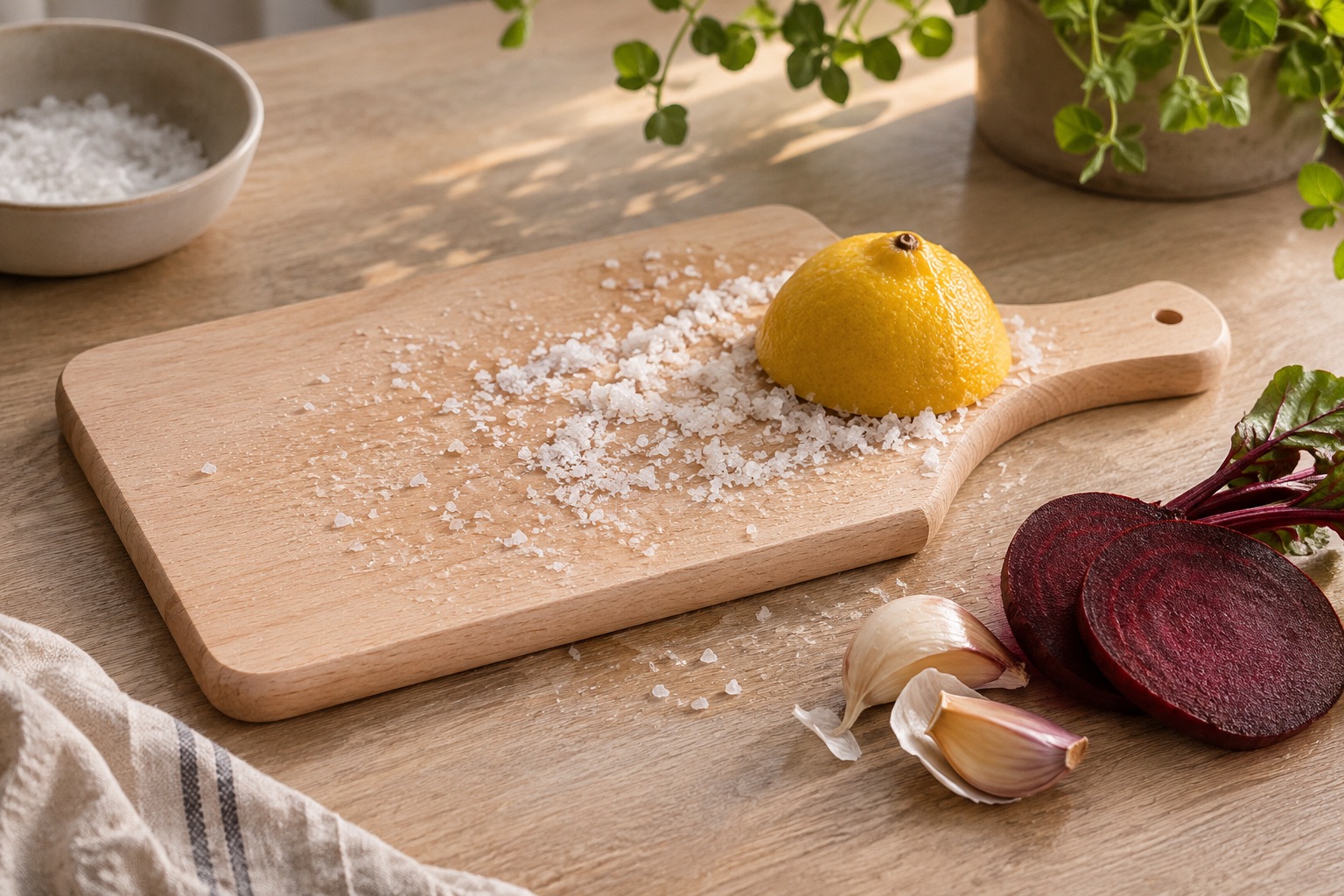
- Chop vegetables separatelyOnion, garlic and beetroot leave smells and colour in wood. If one board does most of the vegetable work, the others stay neutral for longer.
- Serve on a board with a handleThe long chopping board with a handle, 60x20 cm, is easy to carry to the table with cheese, charcuterie or fresh bread. The salami board is made for cured meats and can go on the table just as it is.
- Put a damp cloth underneathA damp dishcloth under the board stops it sliding while you cut. It is more comfortable and safer for your fingers.
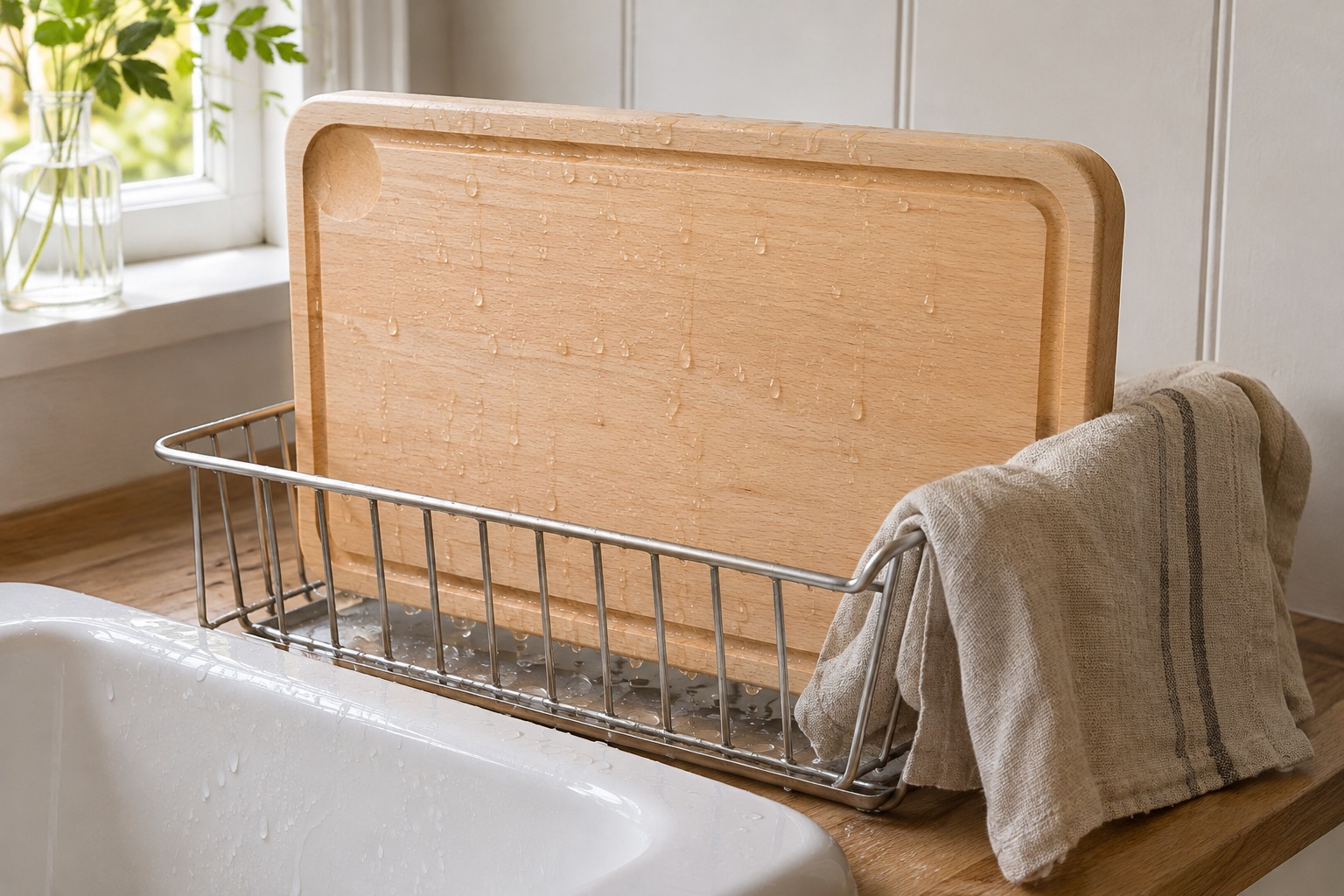
- Care for every board the same wayWash by hand, dry with a tea towel and let the board dry completely before putting it away. Oil the whole board with paraffin oil when the wood looks dry; for beech boards, Kockums specifies cooking oil.
Common mistakes
- Slicing bread on the board you have just used for onions, so the bread picks up the taste.
- Leaving the board to soak in the sink – the wood swells and can warp or crack.
- Putting wooden boards in the dishwasher.
- Oiling only the top – Kockums recommends oiling the whole board.
Why several boards pay off
Wood is a living material that takes up moisture, smells and colour. Sharing the jobs between several boards spreads the wear and keeps flavours from travelling between bread and onion. A saturated, oiled surface doesn't soak up water and juices as easily.
FAQ
Which chopping board is best for meat?
A large, steady board with plenty of room, so you can trim and slice without juices running over the edge. Wash it by hand straight afterwards.
Do I need a separate bread board?
It isn't essential, but a separate bread board keeps bread from tasting of onion and garlic. It also keeps the crumbs in one place.
Can I serve food straight from a chopping board?
Yes, a board with a handle or a salami board can go straight to the table with cheese, charcuterie or bread. Wash and dry it as usual afterwards.
What wood is my board made of?
It varies from board to board. Kockums' Swedish pine chopping boards are made at a joinery in Anderstorp, and the wooden utensils come from a family business in Germany that uses European wood. If you are unsure, ask Kockums' customer service.
Comments