


Storing pans and pots without rust or scratches
Time: about 10 min
A lot of what happens to a pan happens in the cupboard. A little leftover moisture brings rust to carbon steel, and one pot stacked on another scratches the enamel.
Short answer
Let pots and pans cool, wash them and dry everything completely – underside included – before putting them away. Wipe a few drops of neutral oil onto carbon steel and remove the excess. Store them somewhere dry and airy, ideally hanging: the classic Kockums frying pan has a hole in its handle. Place a tea towel or kitchen paper between stacked pots so the enamel stays unscratched.
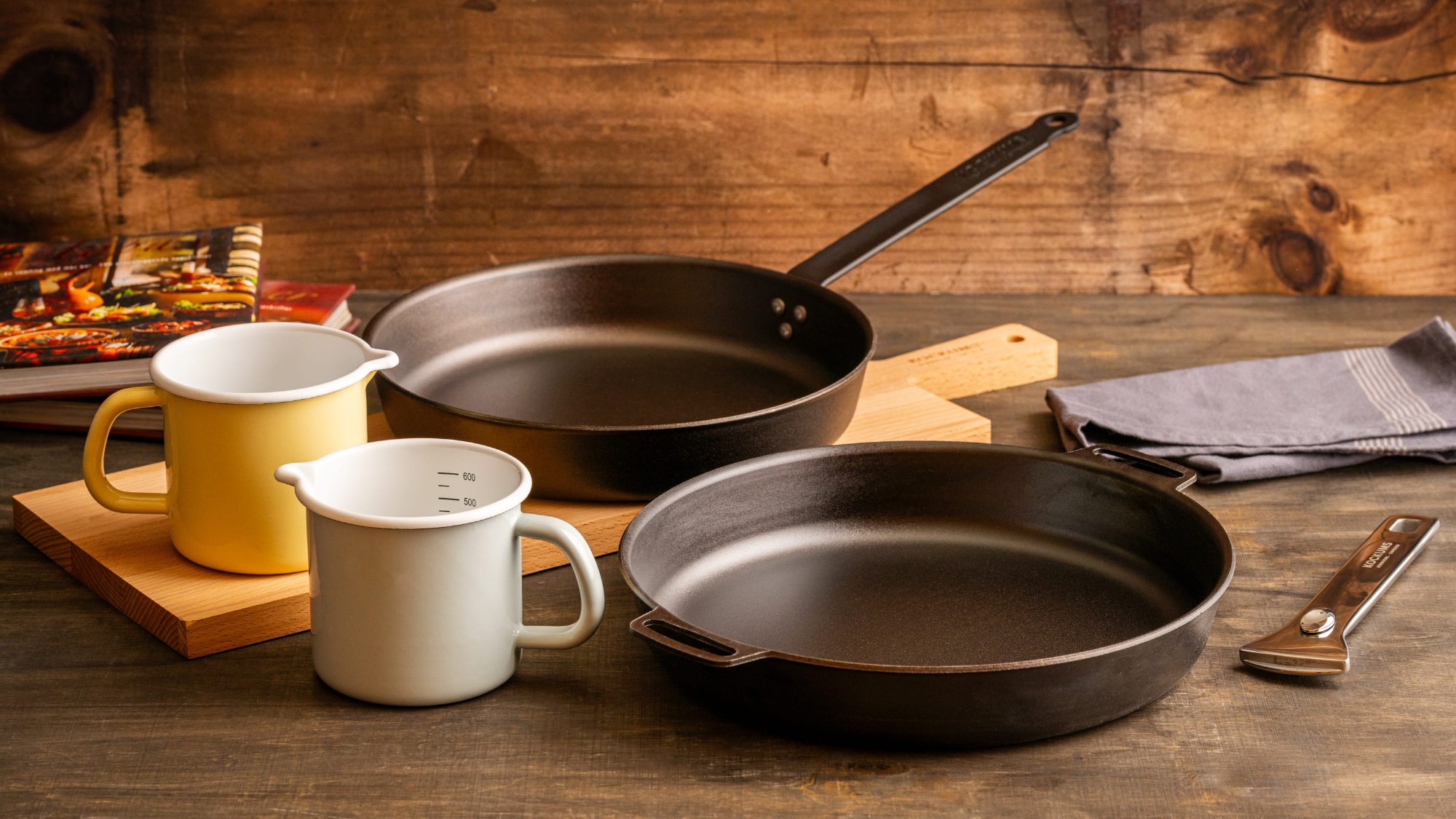
What you need
- Tea towel
- Kitchen paper
- Neutral cooking oil
- Hook or hanging rail
- Space in a dry cupboard
How to do it
- Dry completely before putting awayDry everything with a tea towel straight after washing, including the underside and rim. Carbon steel left to air-dry can start to rust.
- Give carbon steel a thin coat of oilWipe a few drops of neutral oil over the cooking surface and remove the excess with kitchen paper. A thin layer protects; a thick one turns sticky.
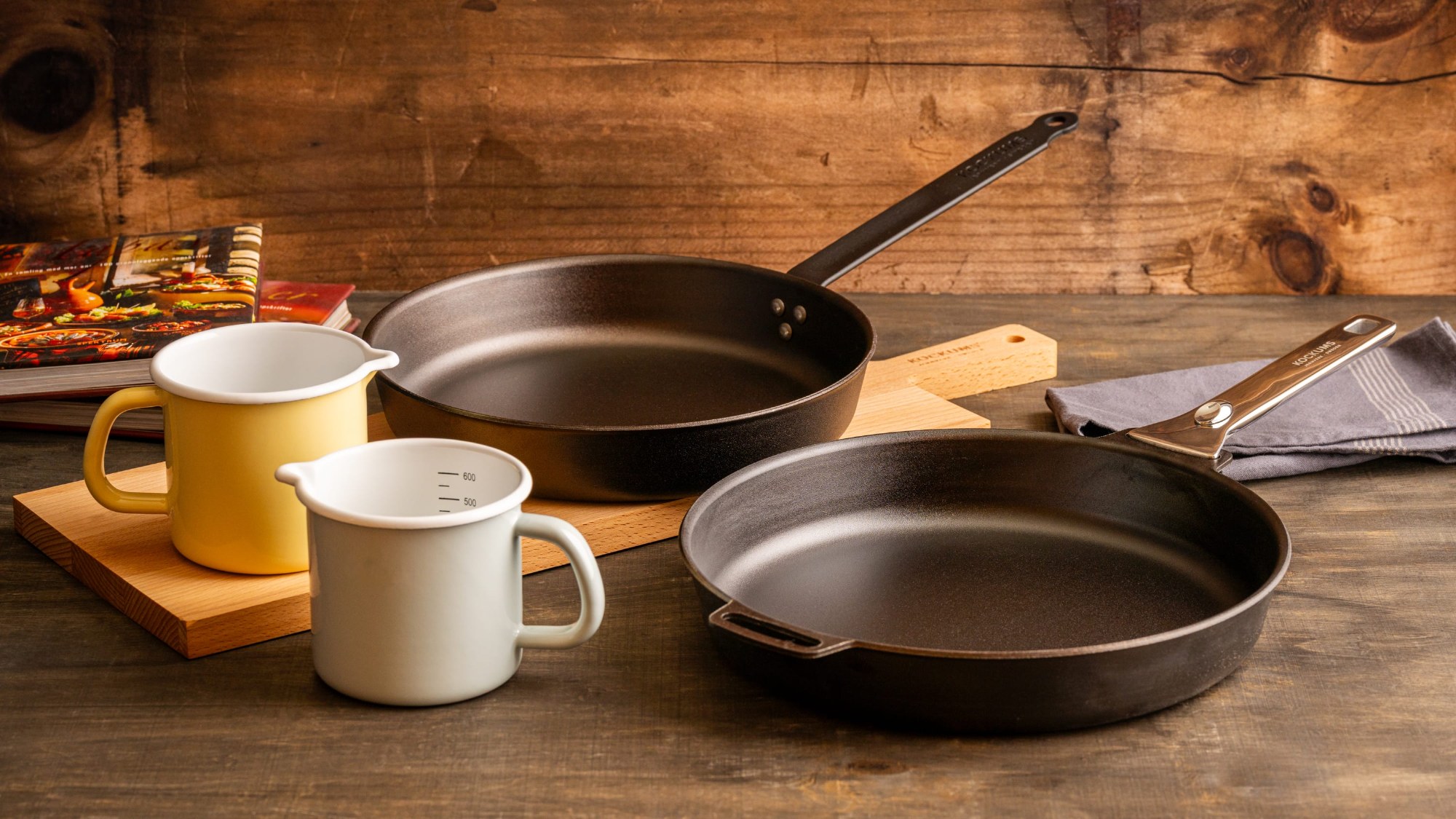
- Hang the pan if you canThe classic carbon steel pan has a hole in its handle for hanging. A pan that hangs freely gets air all round and does not rub against other pans.
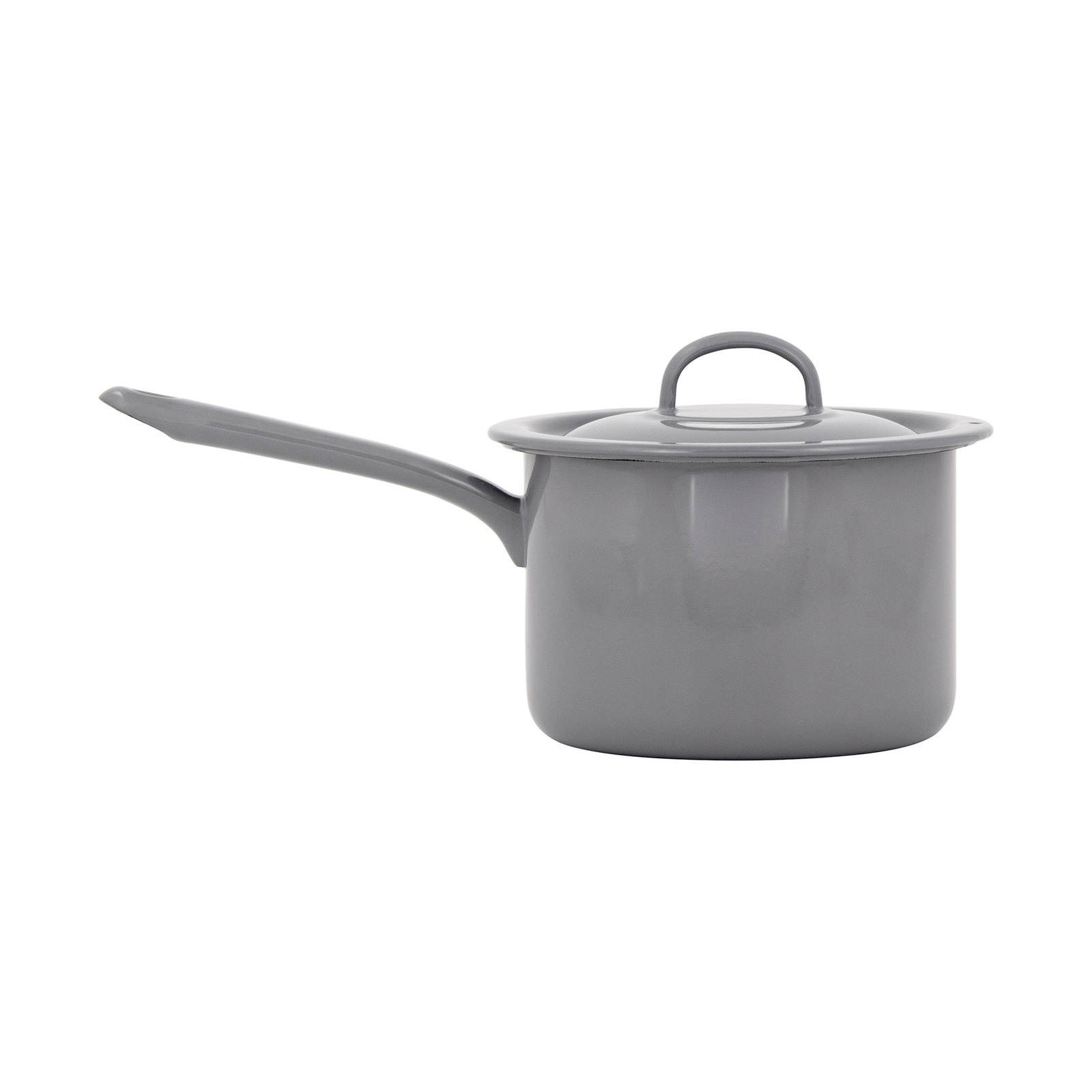
- Put protection between stacked potsIf you stack pots and pans, place a tea towel or kitchen paper between them. Metal against enamel can scratch, and the paper soaks up any moisture.
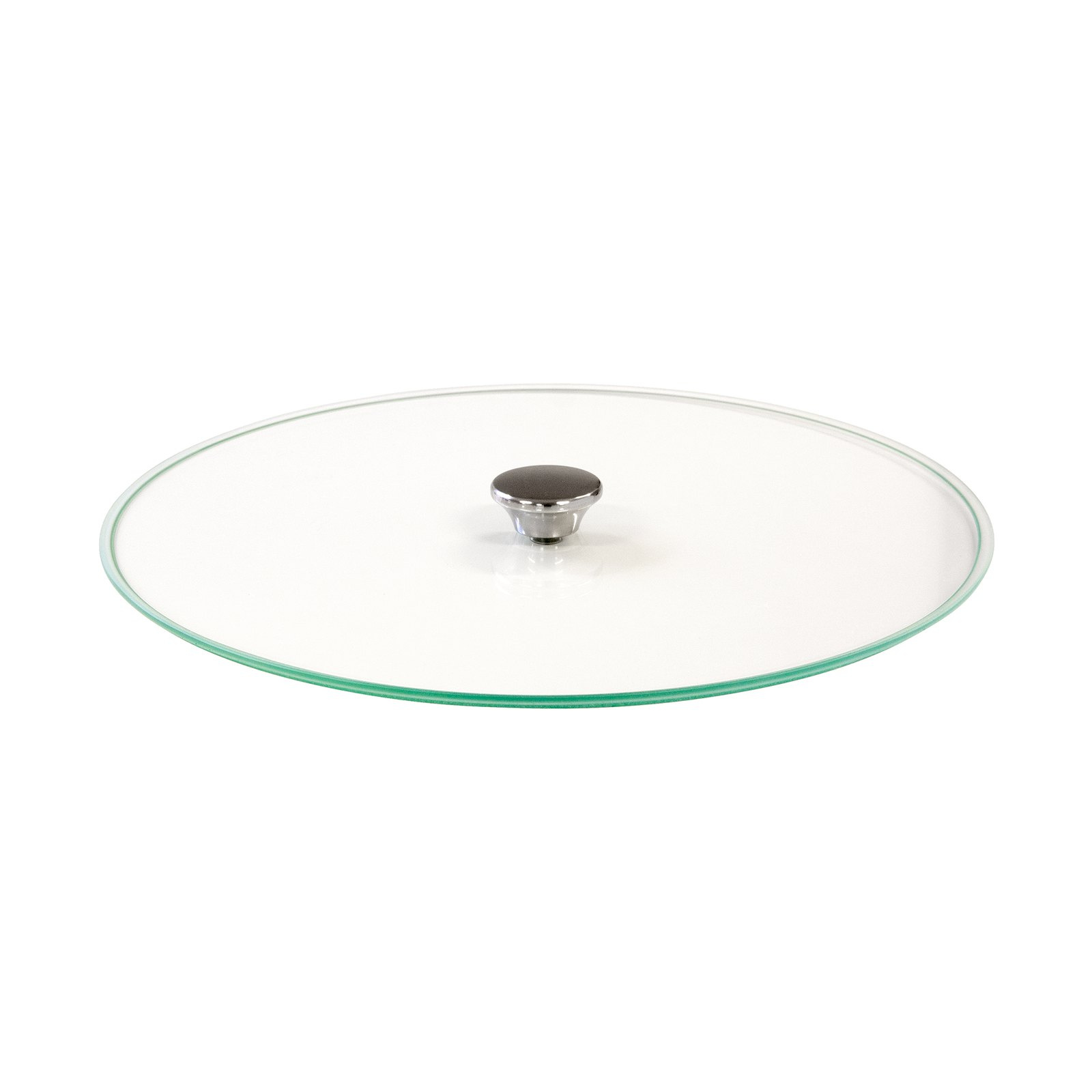
- Keep the lid separateDo not put the glass lid on a pan that is not completely dry, as trapped moisture can cause rust on carbon steel. Store the lid separately, or with a tea towel in between.
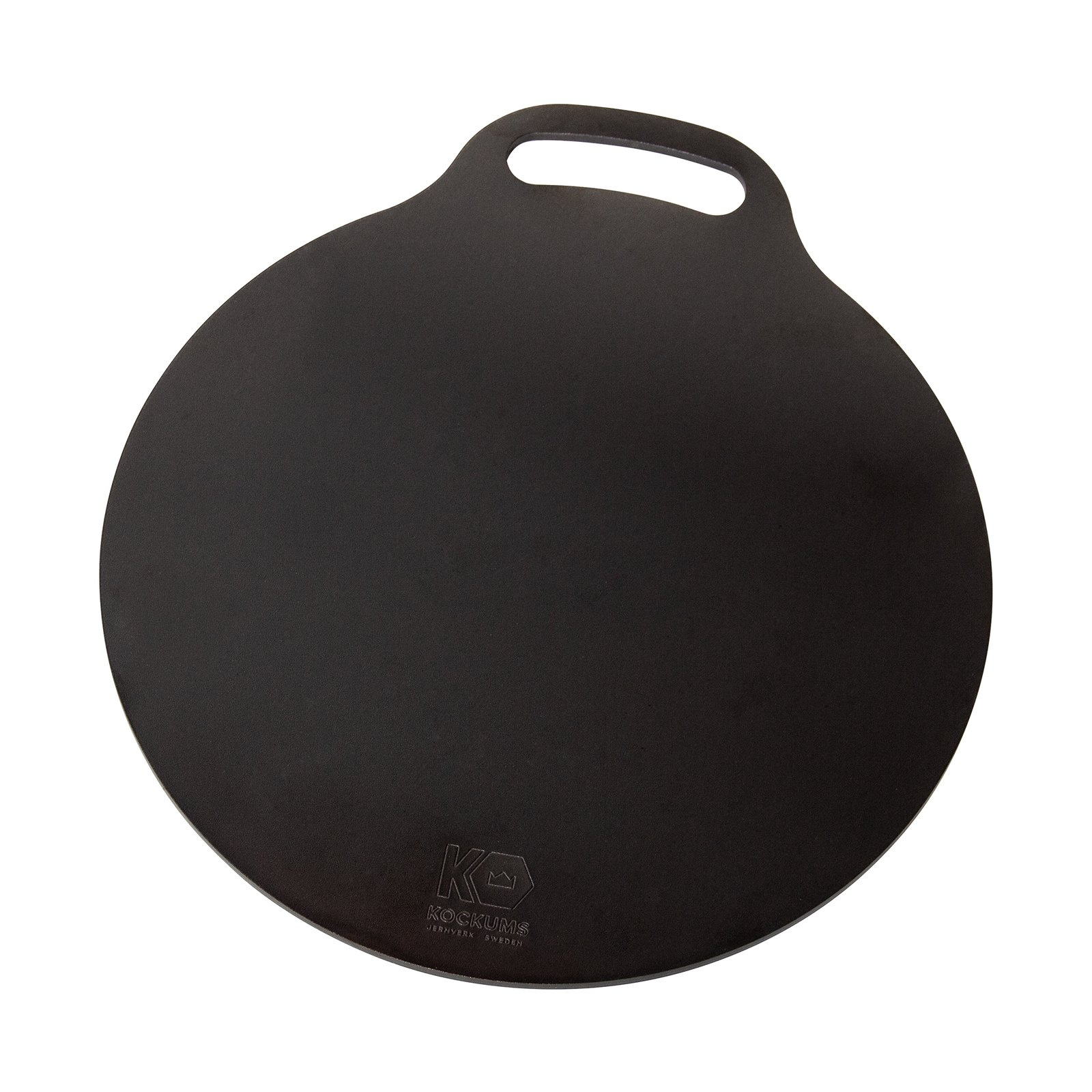
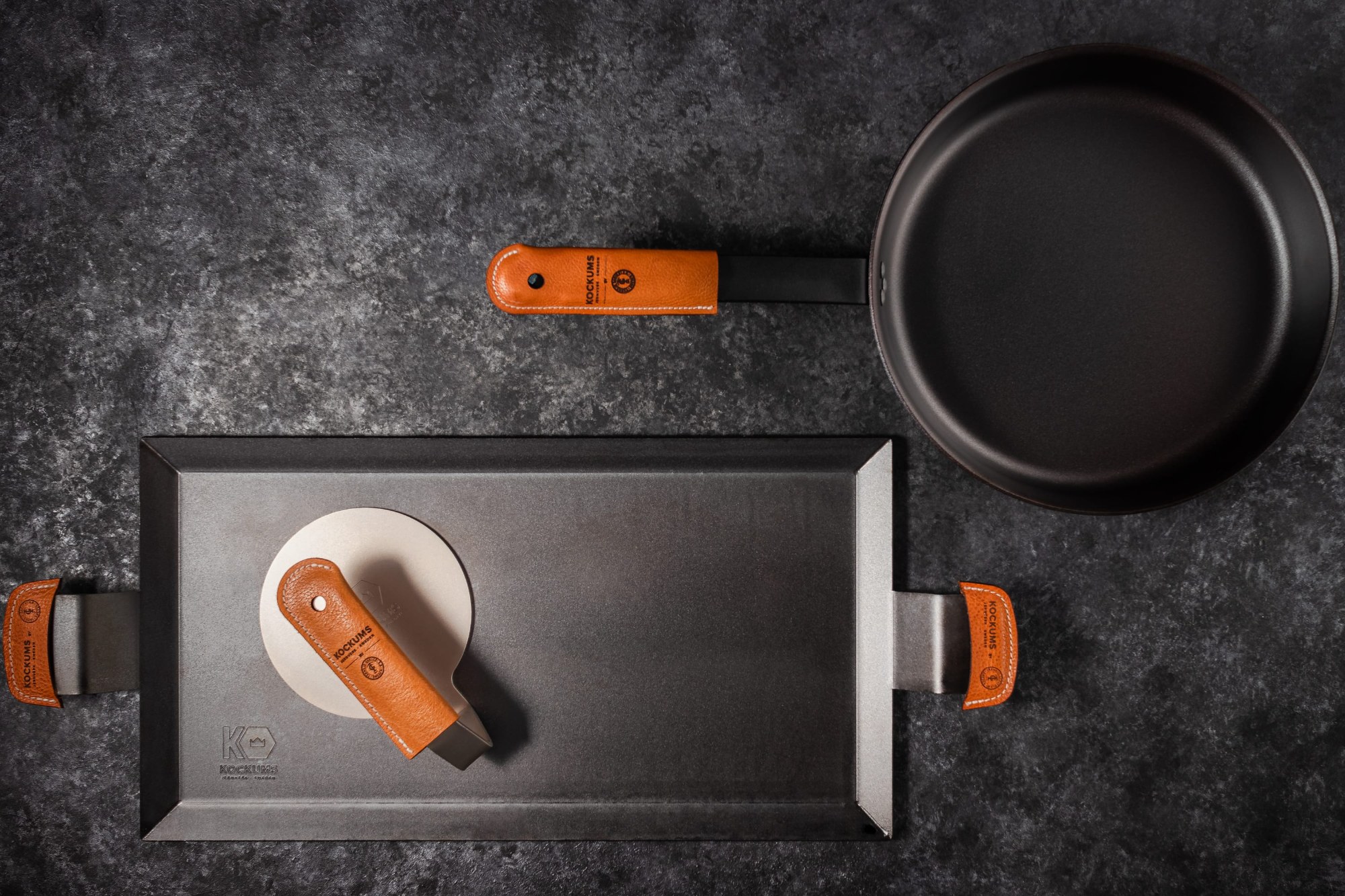
- Give pizza steel and cast iron a dry spotThe baking/pizza steel and the cast iron pot should be stored dry. Avoid damp cupboards, such as the one under the sink.
- Check on them now and thenCarbon steel that has been unused for a while benefits from a wipe and a drop of oil. If rust spots have appeared anyway, remove them with steel wool or a similar scourer and season again.
Common mistakes
- Putting the pan away damp or leaving it to air-dry on the draining rack.
- Stacking enamel pots directly on top of each other with nothing in between.
- Applying so much oil before storage that the surface turns sticky.
- Trapping moisture by putting the lid on a pan that is not dry.
Where rust and scratches come from
Carbon steel is a natural material that rusts when it is left damp, and its seasoned surface protects best when kept dry and lightly oiled. Enamel is hard but can be scratched by metal rubbing against it. Dry, airy and protected therefore goes a long way in the kitchen cupboard.
FAQ
Should a carbon steel pan be oiled before it is put away?
Yes, a few drops of neutral oil after cleaning protect the carbon steel and preserve the seasoning. Wipe off the excess.
Can I nest carbon steel pans inside each other?
Yes, but put a sheet of kitchen paper in between so the surfaces do not rub and any moisture is absorbed.
My pan got rust spots in the cupboard – what now?
Clean it with steel wool or a similar scourer and season the surface again. Then it is ready to use.
What is the best way to store the glass lid?
Dry, and where the glass cannot knock against other pans – in a lid rack, for example, or on a tea towel.


Comments