


The essential kitchen – five pieces that handle almost everything
Time: about 15 min
A good kitchen doesn't need to be full. Five well-chosen pieces cover breakfast, weekday dinners, a Sunday stew and Friday pizza – and last for years if you look after them properly.
Short answer
An essential kitchen goes a long way with five pieces: a 28 cm carbon steel pan for meat and a good sear, an enamelled frying pan for acidic dishes and sauces, a 4-litre enamel pot for soups, stews and pasta, a pizza steel for bread and pizza, and a sturdy wooden chopping board. Learn how to care for each material and they will last for many years.
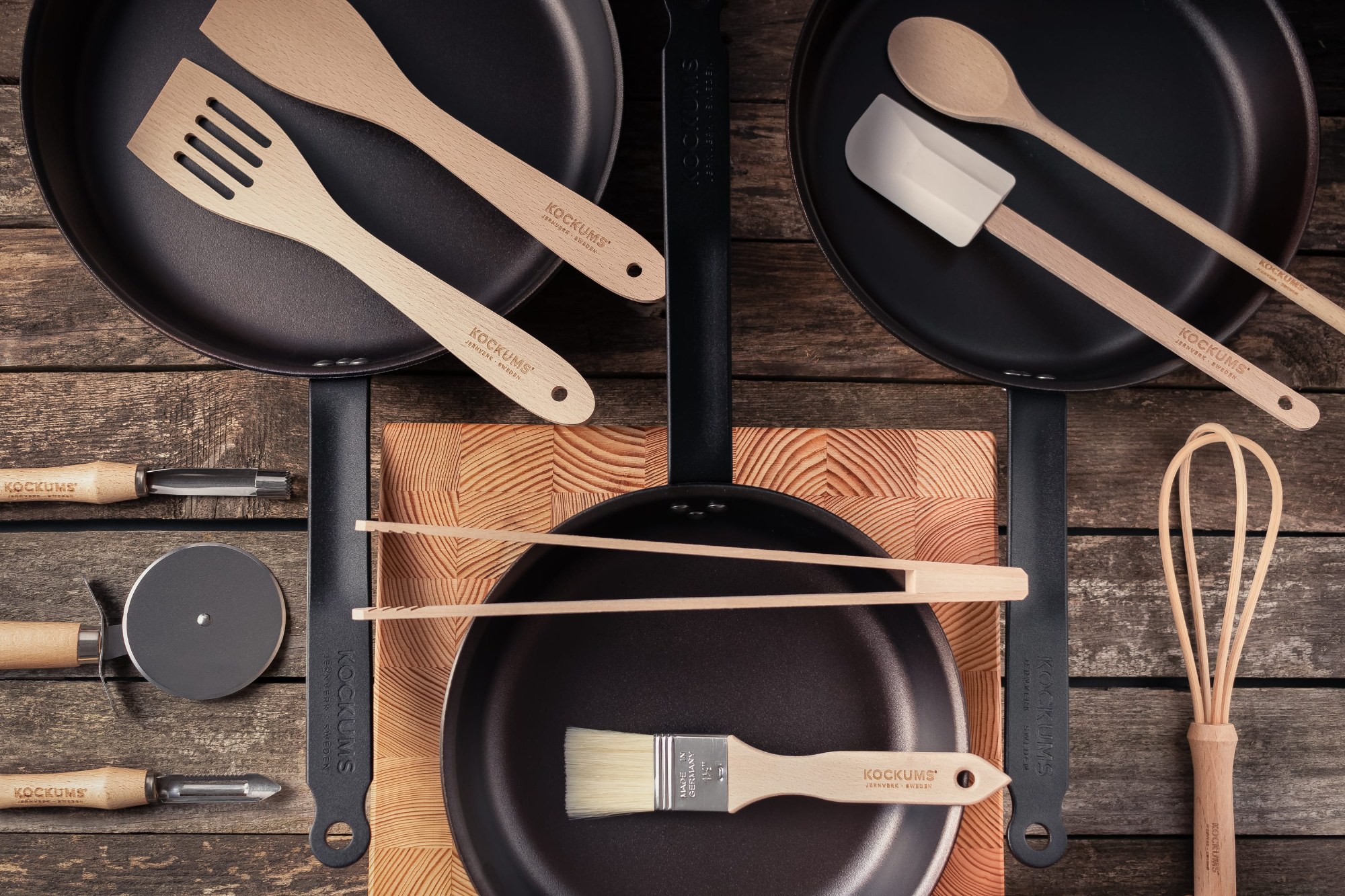
What you need
- Carbon steel frying pan, Ø28 cm
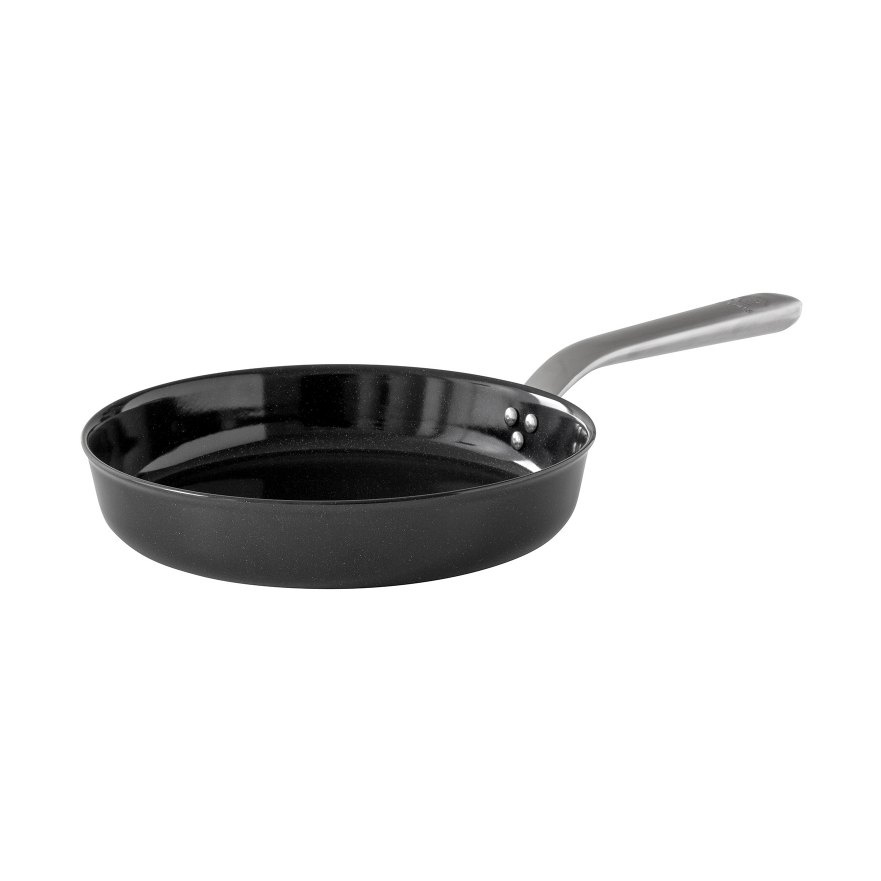
- Enamelled frying pan, Ø28 cm
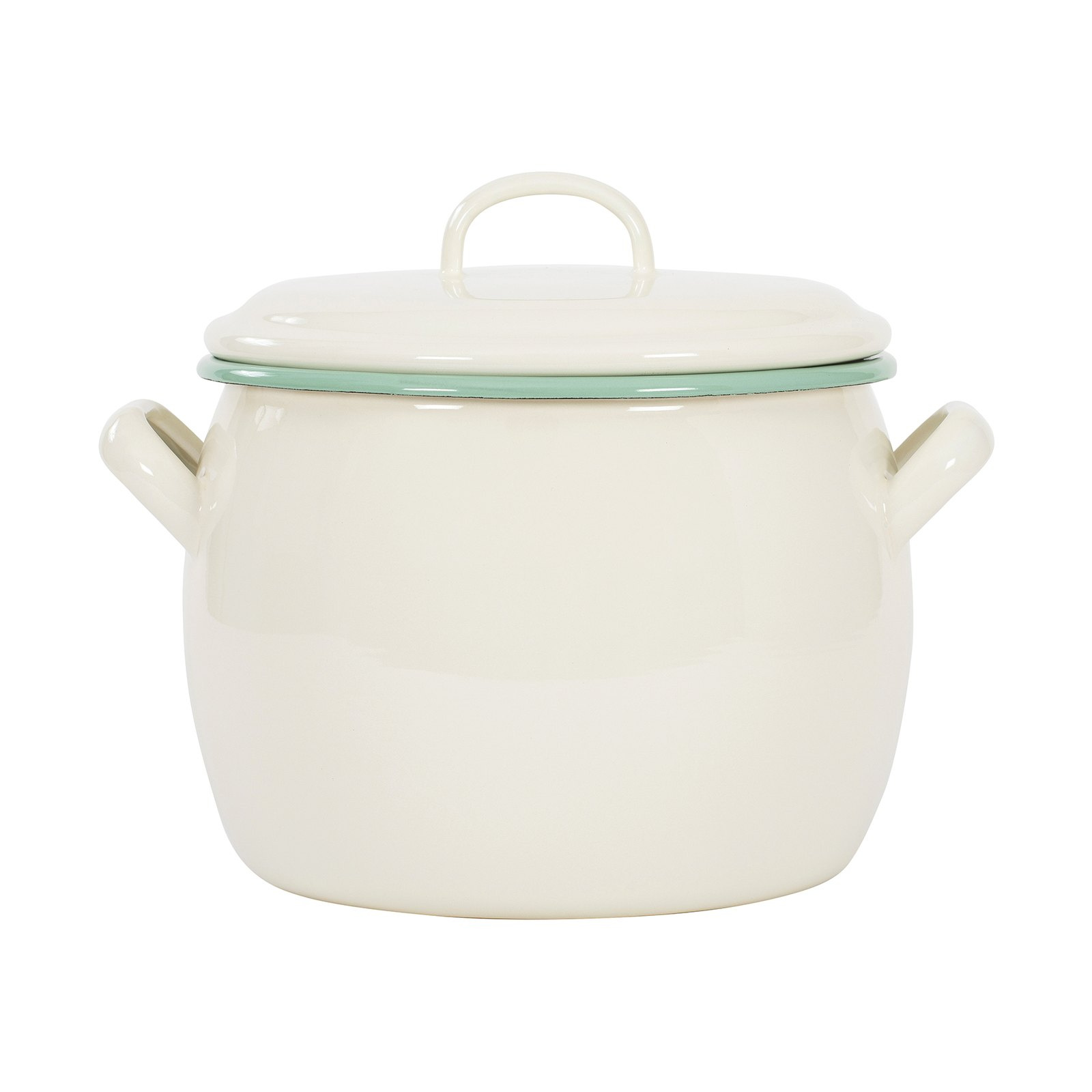
- Enamel pot 4 l
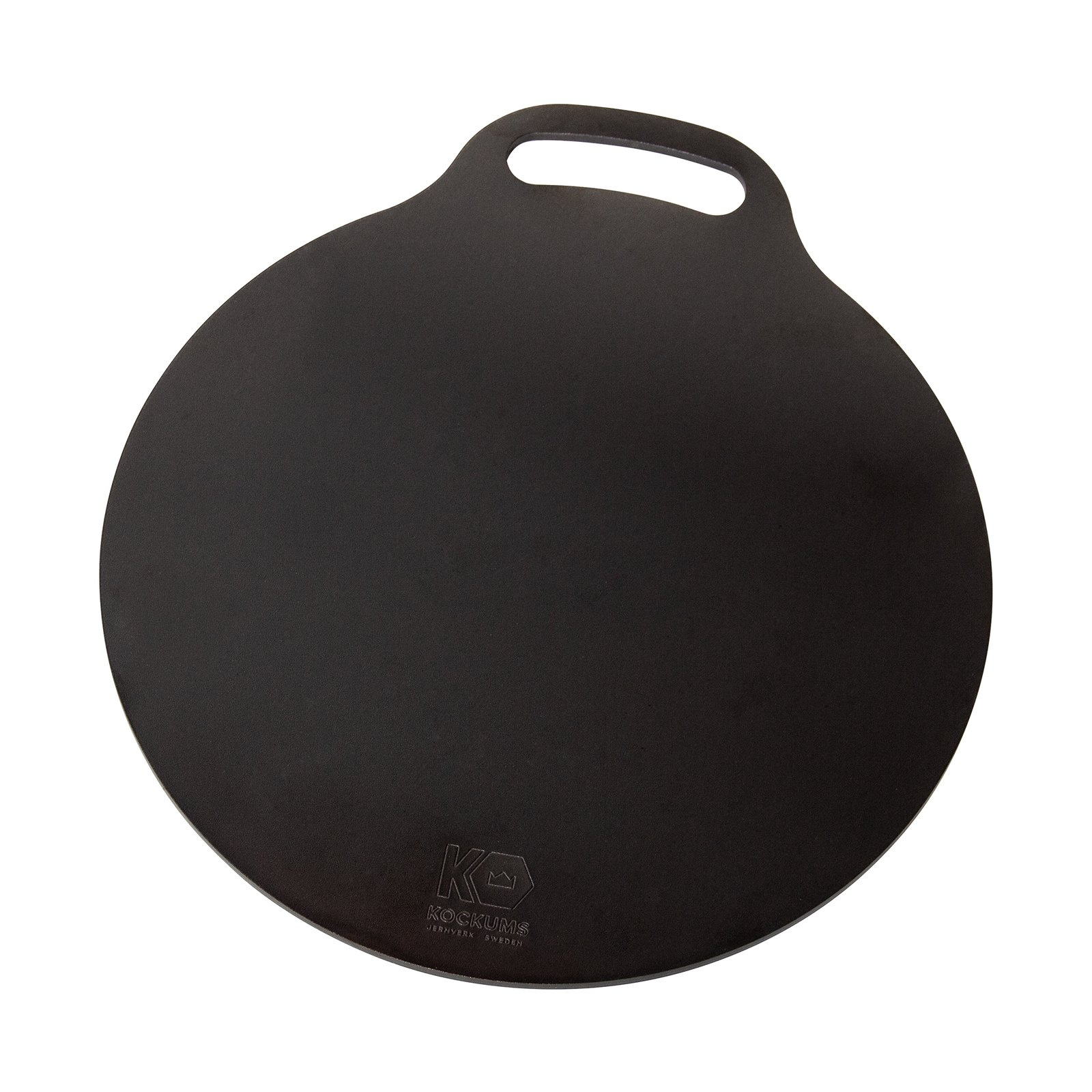
- Baking/pizza steel, Ø35 cm
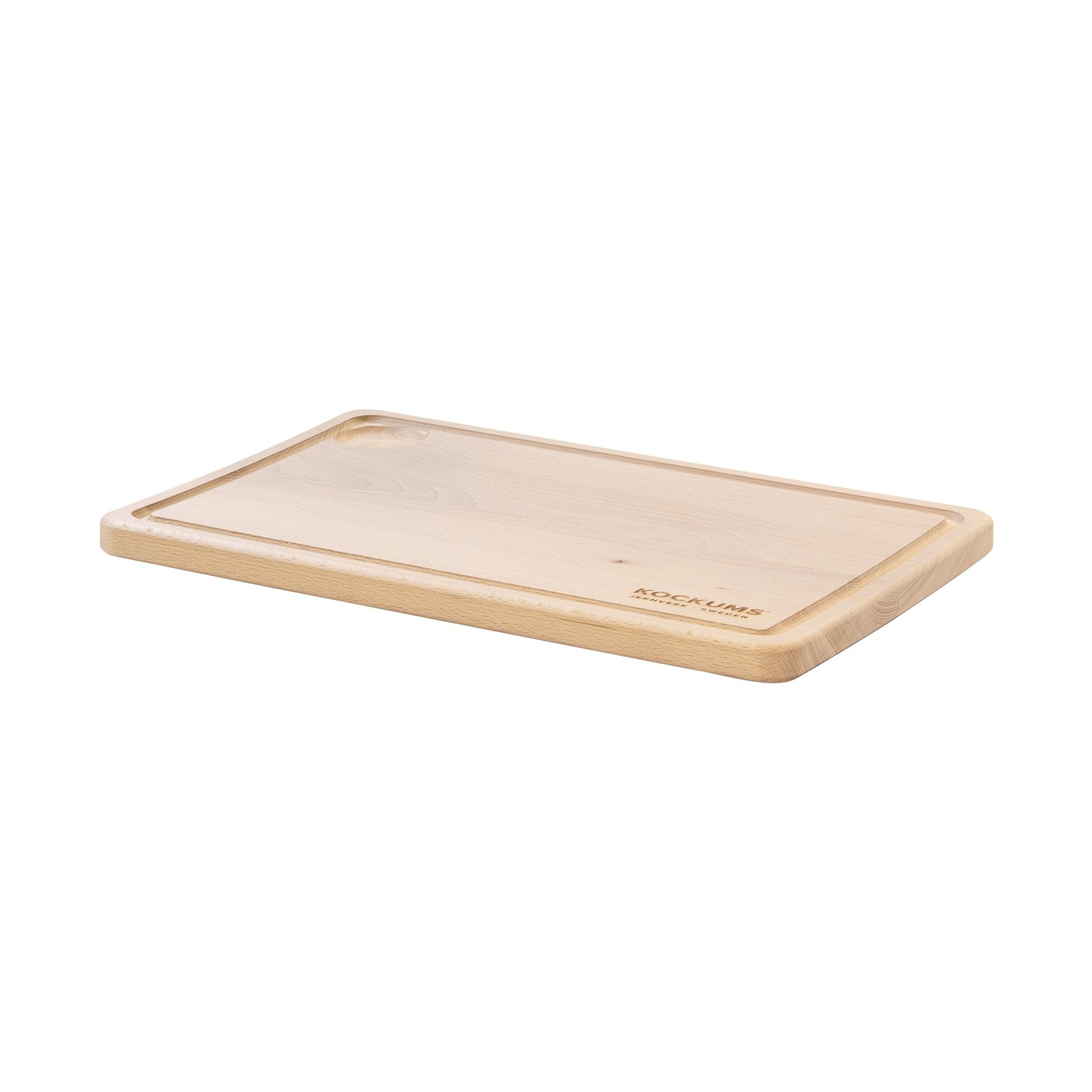
- Wooden chopping board, 40x26 cm
- Neutral cooking oil and paraffin oil (mineral oil)
How to do it
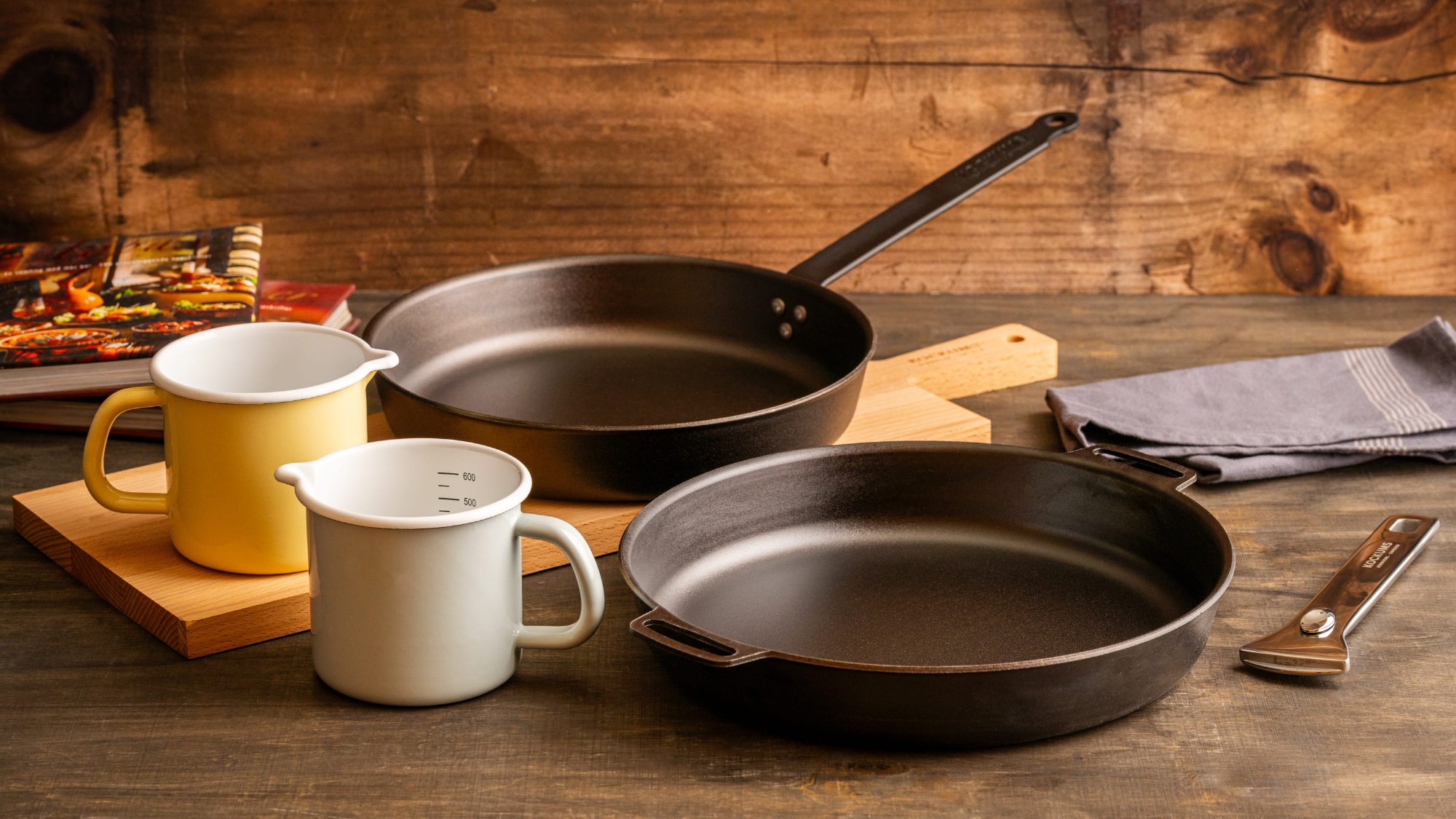
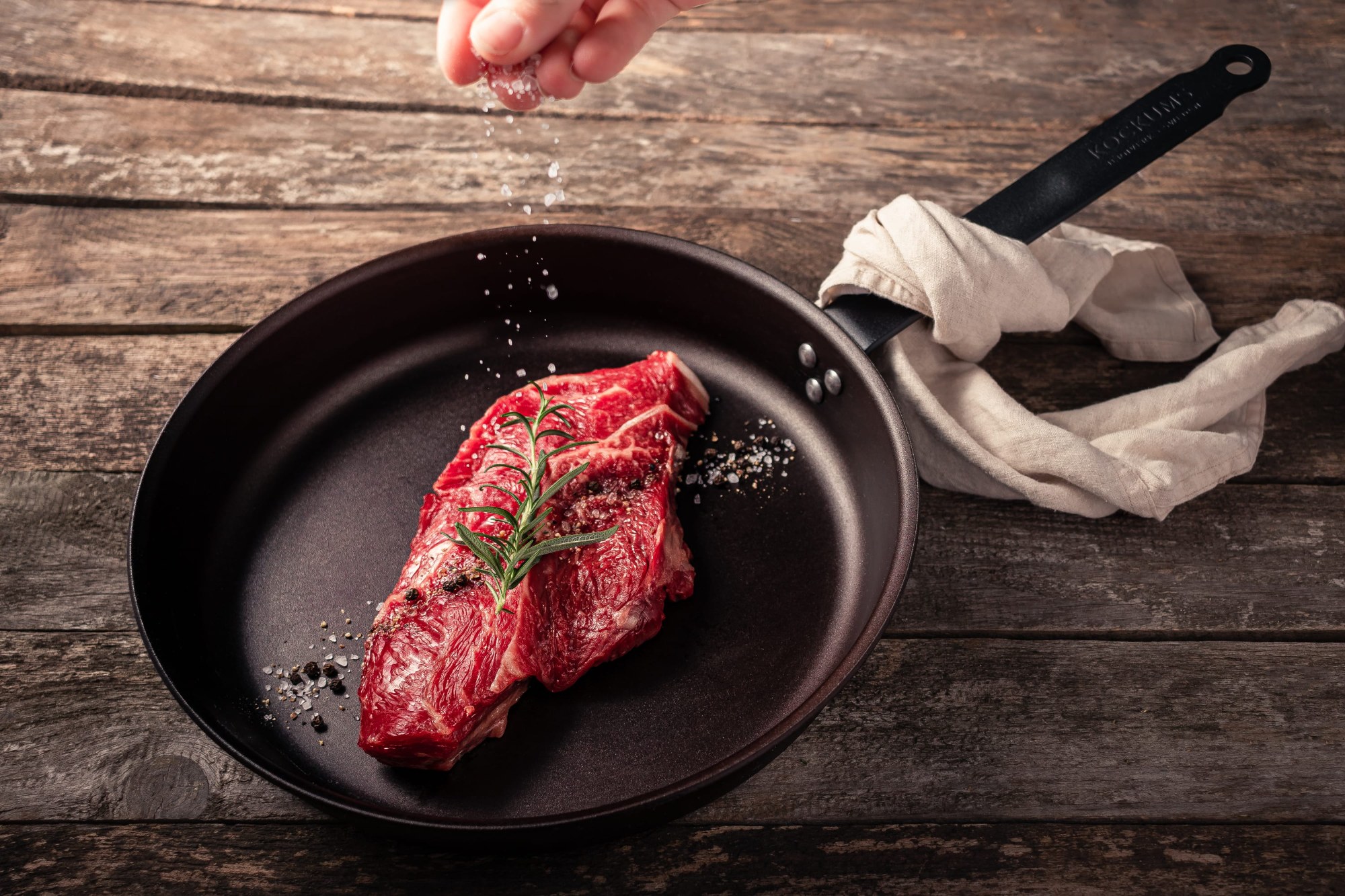
- Start with the carbon steel panThe classic 28 cm carbon steel pan is your meat pan: it gives a fine sear, works on every heat source and can go in the oven up to 200 °C. Clean it with hot water, dry it and wipe in a few drops of oil.
- Add an enamelled pan for acidic foodTomato sauce, lemon, wine and fish in sauce are at home in the enamelled frying pan, which tolerates acid and washing-up liquid and needs no seasoning. Warm it for about five minutes on low to medium heat before turning it up.
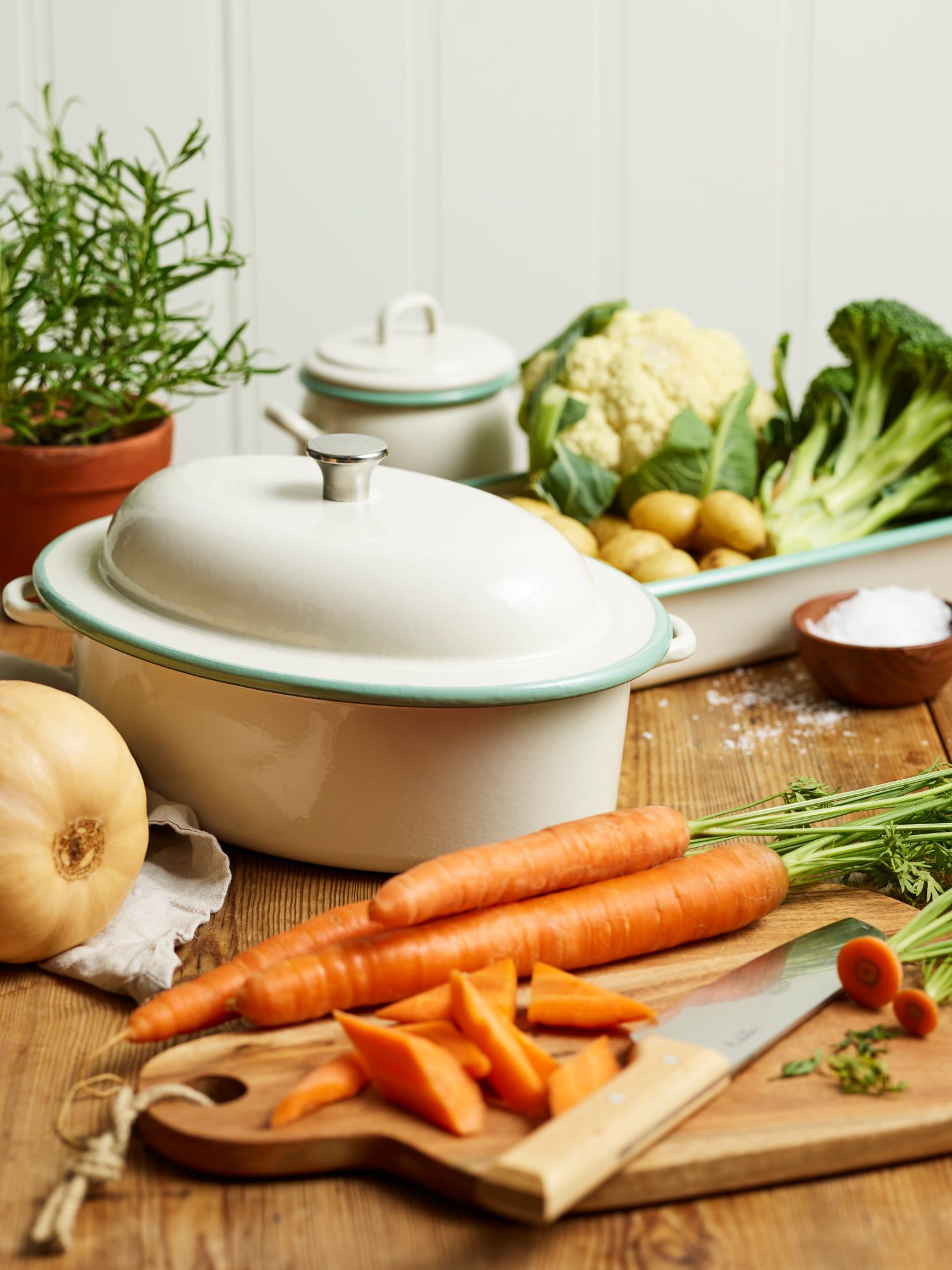
- Choose a pot that holds a whole mealA 4-litre enamel pot is enough for soup, stew, pasta and potatoes for a family. Never heat it empty, fill it no more than two-thirds and let it cool before washing.
- Bring in a pizza steel for bread and pizzaThe 6 mm carbon steel baking/pizza steel goes high in the oven and is preheated for 40–60 minutes at the highest setting. It also works on induction, on the grill and over an open fire, for smash burgers and vegetables, for example.
- Chop on woodA large wooden chopping board has room for everything from onions to the Sunday roast. Wash it by hand, dry it at once, avoid soaking and oil it regularly with paraffin oil.
- Learn the three care rulesCarbon steel and pizza steel: hot water, dry, oil – never washing-up liquid. Enamel: washing-up liquid is fine, but never cold water on a hot pot. Wood: hand wash, dry and oil.
Common mistakes
- Buying a big set before you know what you cook most – start with what you use every week.
- Cooking tomato sauce or reducing wine in the carbon steel pan when the enamelled pan is made for acidic dishes.
- Washing the carbon steel pan or the pizza steel with washing-up liquid or in the dishwasher.
- Choosing a pot that is too small and filling it beyond two-thirds.
Why five is enough
Carbon steel gives high, even heat and a cooking surface that improves with time, enamel tolerates acid and washing-up liquid, and a sturdy wooden board gives you a work surface for all the prep. Together they cover frying, boiling, baking and preparation – without two pieces doing the same job.
FAQ
Which frying pan size should I buy first?
28 cm is enough for dinner in most households. Kockums pans have straighter sides than many others, so the cooking surface is larger than the diameter suggests.
Do I need both a carbon steel pan and an enamelled pan?
They complement each other: carbon steel for meat and a good sear, enamel for acidic dishes and sauces. Our guide to choosing the right frying pan explains the differences in more detail.
Which of the pieces can go in the oven?
The carbon steel pan with the classic handle can go in the oven up to 200 °C, and the enamelled frying pan can go in the oven too – Kockums recommends a maximum of 200 °C. The pizza steel is made for the oven's highest heat.
How should I store them?
Dry. Carbon steel and the pizza steel should be completely dry and lightly oiled before being put away, and enamel and wood should be thoroughly dry too.

Comments